해마다 돌아오는 한가위이지만 올해는 처음 맞는 한가위처럼 느끼는 사람들이 주변에 있습니다. 그 가운데서 맨 먼저 떠오르는 사람들은 배우자를 먼저 보내고, 배우자 없이 황망하게 첫 명절을 맞이하는 분들입니다. 생각만해도 가슴이 저려오는 분들이 제 주변에도 있습니다. 지난 여름방학에 울산으로 내려가면서 대전에 들리려고 연락을 했더니 “사랑으로 하는 일은 피곤하지도 어렵지도 바쁘지도 않을 듯 하옵니다”고 답했던 아내 분을 얼마 전에 보내고 첫 명절을 맞이한 분도 있습니다. 사람이 살면서 겪는 가장 큰 스트레스가 배우자와의 사별이라고 말하는데, 홀로 남은 배우자에게는 명절이 다가오는 것 자체가 힘들었을 것입니다.
그 다음에는 부모님 가운데 한 분을 보낸 자녀들도 있습니다. 아버지를 먼저 보낸 분은 그래도 나을 것 같습니다. 세상에서 자신을 가장 사랑하던 어머니를 보내고 맞이하는 한가위는, 오곡백과가 아무리 풍성한 세상이라도, 온 우주가 공허한 느낌조차 들기도 했을 것입니다. 아무리 길이 막힌들 망서리지 않고 어머니가 계신 고향으로 가던 기쁨은 이제 다시는 반복될 수 없을 것입니다. 홀로 계신 아버님을 위해서 명절 상을 마련해야 하지만 그런 설정 자체도 낯설고 고통스런 그림입니다. 하긴 아버지 입장에서도 자녀들의 섬김이 고맙긴 하지만 그래도 외롭긴 어쩔 수 없을 것입니다. 앞으로 자신의 삶이 자녀들에게 짐이 되지 않기를 바라지만 그것도 사람에게 달려있지는 않습니다.
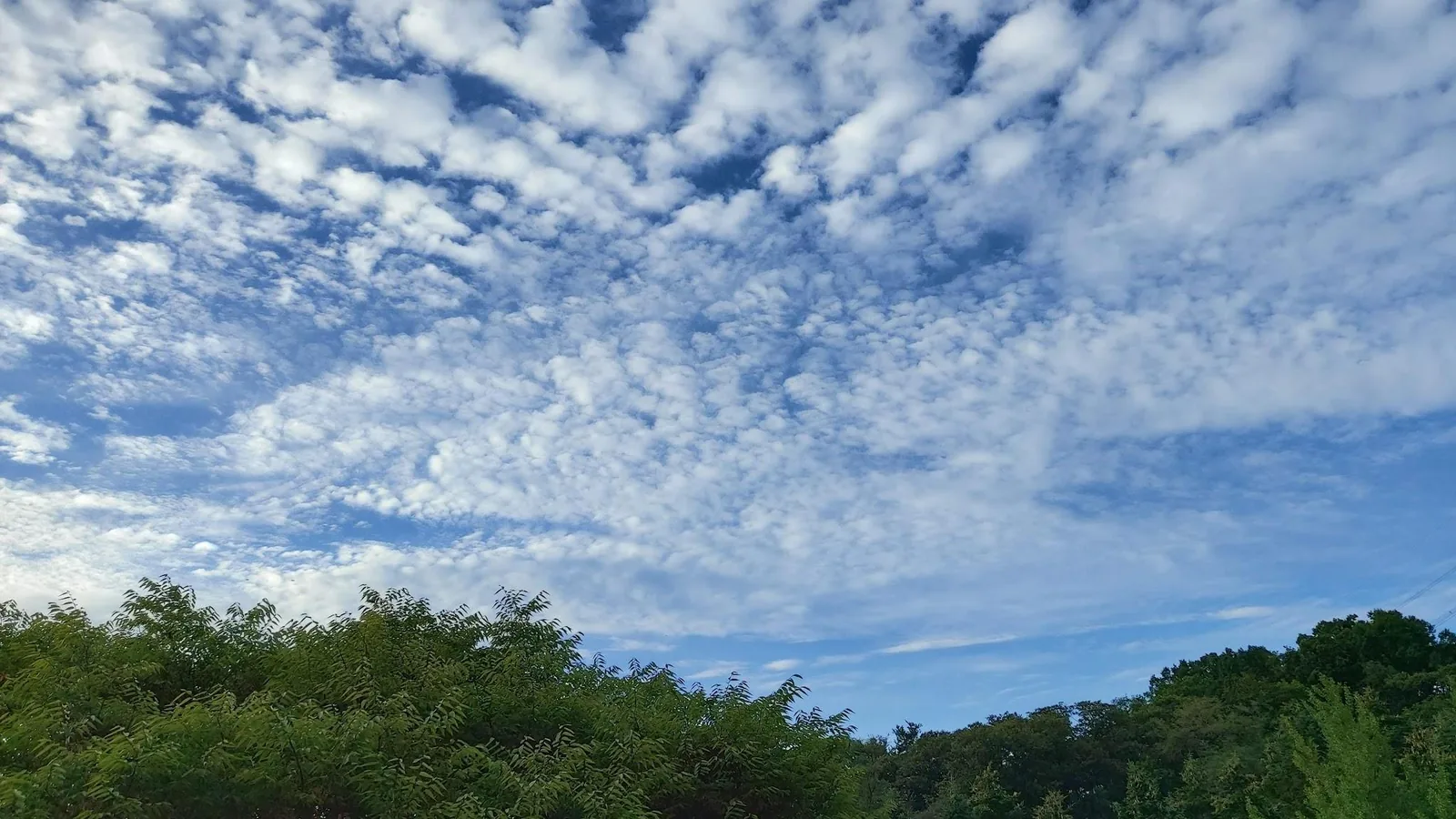
혹시 명절을 앞두고 떠난 분의 묘소를 방문하는 자녀들 가운데, 떠나가신 어머님을 떠올리면서 그 분의 신앙의 걸음을 회상할 수 있다면 더 없이 복될 것입니다. 그 걸어오신 걸음 걸음에 새겨진 신앙이 무엇이었는지를 되새기는 기회가 된다면 하늘 아버지 품에 안긴 분에게 그 어떤 선물보다 고귀한 선물이 될 것입니다. 왜 그처럼 매일매일 하늘 아빠의 음성을 듣고 싶어하고 그 음성을 들으면 순종해서 살아내려고 몸부림친 그 마음을 헤아릴 수 있는 기회가 되기만 한다면 한가위 그 푸른 하늘이 더욱 아름답게 온누리를 감쌀 것입니다.
하나님께서 사람을 창조하실 때, 서로 상관없는 개체로 짓지 아니하셨습니다. 오히려 서로 관련을 갖도록 만드셨습니다. 그래서 부모자녀로서 맺어지고 형제자매로도 관련됩니다. 바다 한 가운데 섬처럼 존재하는 사람은 아무도 없습니다. 부모가 있고 조부모가 있고 삼촌과 사촌, 오촌, 육촌 등으로, 이런 혈연관계들로 맺어진 친척과 또 혼인을 통해서 맺어진 인척관계들로 우리는 서로 연결되어 있습니다. 그것을 확인할 수 있는 기간이 고향을 방문하는 명절입니다. 각자 연고지로 돌아가 친인척을 만나는 순간 우리는 혈연의 유대 속에 서 있다는 사실을 새삼 느끼게 됩니다. 그리고 우리의 관계는 살아있을 때는 만남을 통해서, 세상을 떠난 후에는 기억을 되살림으로 가꾸어 갈 수 있습니다.
Though Chuseok returns faithfully every year, there are people all around us for whom this year feels like facing it for the very first time. The first who come to mind are those who have sent their spouses ahead of them and now greet this first holiday in dazed bereavement. Just thinking of them makes my heart ache deeply. During this past summer vacation, as I was traveling down to Ulsan, I reached out intending to stop by Daejeon. The wife had replied warmly, “Nothing done in love can ever feel tiring, difficult, or overly busy.” Not long after, she passed away, leaving behind a husband who must now endure his first holiday without her. It is often said that the greatest stress a person can experience in life is the death of a spouse; for the one left behind, the mere arrival of the festive season must be profoundly difficult.
Then there are the children who have recently laid one of their parents to rest. Losing a father first might feel slightly easier to bear, but for those greeting Chuseok after parting with a mother—the one who loved them most in all the world—the entire universe might feel utterly hollow, no matter how abundantly the season overflows with autumn fruits and grains. The simple joy of heading toward hometown where Mother awaited, undeterred by whatever traffic clogged the road, can never be experienced again. They must now prepare the holiday meal for a solitary father, but even that setting feels foreign and poignant. Naturally, from the father's perspective, though he is deeply grateful for his children's loving care, an inescapable loneliness remains. While he quietly hopes that his remaining days will not burden his children, such matters ultimately do not rest in human hands.
If any of the children visiting a departed loved one’s gravesite ahead of the holiday could look back and trace the footsteps of their mother’s faith, how blessed that would be. If this season offers an occasion to reflect upon the enduring faith woven into every single step she took, it will be a tribute far more precious than any gift to the one now resting in the arms of our Heavenly Father. If only they could fathom why she yearned each day to hear the voice of her Abba Father and struggled earnestly to live in obedience to that voice, the clear, azure sky of Chuseok will envelop the whole world in even greater beauty.
When God created human beings, He did not fashion us as isolated, detached individuals. Instead, He made us to be deeply related to one another. Thus, we are bonded as parents and children, and tied together as brothers and sisters. No one exists as an island in the midst of the sea. Through grandparents, uncles, aunts, and cousins near and far, we are intricately connected by ties of blood, and through marriage, we are woven into extended family. The holiday homecoming is precisely the time when we reaffirm these bonds. The moment we return to our roots and meet our relatives, we are reminded afresh that we stand firmly within the warm embrace of family ties. And our relationships can be tenderly nurtured through face-to-face gatherings while we live, and through the cherishing of precious memories long after loved ones have departed.
Al keer Chuseok getrou elke jaar terug, is daar mense om ons vir wie dit vanjaar voel asof hulle die feesgety vir die heel eerste keer beleef. Die eerstes wat by my opkom, is diegene wat hul huweliksmaat vooruit moes stuur en nou met 'n verslae hart hul eerste feesgety sonder hulle moet deursien. My hart krimp ineen van medelye wanneer ek aan hulle dink. Tydens die afgelope somervakansie, toe ek op pad was na Ulsan en in Daejeon wou aandoen, het 'n goeie vriend se vrou my nog geantwoord: “Niks wat uit liefde gedoen word, voel ooit vermoeiend, moeilik of te besig nie.” Nie lank daarna nie moes hy haar aan die dood afstaan, en nou beleef hy sy heel eerste feesgety sonder haar. Daar word gesê dat die dood van 'n lewensmaat die grootste stres is wat 'n mens in hierdie lewe kan ervaar; vir die een wat agterbly, moes selfs net die naderkruip van die feesgety reeds 'n swaar las wees.
Dan is daar ook kinders wat onlangs een van hul ouers aan die dood moes afstaan. Dié wat hul pa eerste verloor het, voel dalk nog 'n tikkie meer vertroos; maar om Chuseok te vier nadat 'n mens die ma moes groet wat jou liewer gehad het as enigiemand anders op aarde—al bars die skepping uit sy nate van herfsvrugte en graan—kan laat voel asof die hele kosmos dolleeg geword het. Die onbeskryflike vreugde om sonder huiwering die lang pad na jou geboortedorp aan te pak, maak nie saak hoe swaar die verkeer was nie omdat Moeder daar gewag het, kan nooit weer herhaal word nie. Hulle moet nou wel die feestafel vir 'n eensame vader dek, maar selfs daardie gedagte voel vreemd en pynlik. Aan die vader se kant is hy natuurlik diep dankbaar vir die kinders se sorgsame toewyding, maar 'n mens kan die eensaamheid tog nie ontwyk nie. Al hoop hy vurig dat sy lewe vorentoe nie vir sy kinders 'n las sal wees nie, berus sulke dinge nie in menslike hande nie.
As kinders wat voor die feesdae hul heengegane ouer se graf besoek, die geleentheid kan aangryp om hul moeder te onthou en haar geloofspad opnuut te oordink, sal dit 'n onbeskryflike seën wees. As dit 'n kosbare oomblik word om na te dink oor die standvastige geloof wat in elke tree van haar lewenspad ingegraveer was, sal dit die edelste geskenk wees wat 'n mens kan bring aan iemand wat reeds in die arms van ons Hemelse Vader rus. As hulle maar net kan peil waarom sy elke dag so vurig daarna verlang het om die stem van haar hemelse Abba te hoor, en hoe sy geworstel het om in gehoorsaamheid daarvolgens te lewe, dan sal daardie helderblou hemel van Chuseok die hele wêreld met nog groter skoonheid en deernis omvou.
Toe God die mens geskape het, het Hy ons nie as losstaande, geïsoleerde wesens gemaak nie. Inteendeel, Hy het ons bestem om intiem met mekaar verweef te wees. Daarom word ons verbind as ouers en kinders, en aan mekaar geheg as broers en susters. Niemand bestaan soos 'n eiland in die middel van die see nie. Deur grootouers, ooms, tantes, neefs en niggies—deur al hierdie bloedbande en deur die familiebande wat deur die huwelik gevorm word—is ons innig aan mekaar verbind. Die feesgety, wanneer almal terugkeer na hul tuiste, is juis die tyd om hierdie waarheid te herbevestig. Die oomblik wanneer ons na ons wortels terugkeer en familie ontmoet, besef ons opnuut dat ons stewig ingebed lê in die warmte van ons bloedbande. En hierdie verhoudings van ons kan gekoester word deur hartlike ontmoetings solank ons lewe, en deur die lewend hou van kosbare herinneringe lank nadat geliefdes ons verlaat het.