울산 집 서재 방문 위에는 미독만권지실(未讀萬卷之室)이란 글자가 새겨진 현판이 걸려있습니다. 사반세기 전에 외삼촌이 손수 김아무개의 글씨를 본떠 서각작품으로 만든 것을 조카인 제가 울산교회 담임으로 임직할 때 선물했기 때문입니다. 미독만권지실(未讀萬卷之室)이란, 직역하면 ‘읽지 못한 책이 만권이나 있는 방’이라고 할 수 있지만 이런 때는 의역이 제격일 것 같습니다. 그러면 ‘읽고 싶은 책이 수 없이 있는 방’이라는 의미가 되겠습니다. 얼마전 한 주간 봄방학을 맞이해서 울산을 다녀오면서 그 방에 들어가서 서가(書架)를 둘러보다가 눈에 띈 읽고 싶은 책을 하나를 골랐습니다.
그 책이 바로 <미션디모데> -’지금 여기, 초대교회를 살아가는 위그노의 후예들’이란 부제가 달린 책입니다. 1년 반 전에 두란노에서 나온 책이고, 저자 가운데 한 분 방선기 목사가 친구이니 아마 선물로 두란노에서 보냈을 것이라고 추측해 봅니다. 그 때는 은퇴를 막 하던 때였으니 받은 기억도 분명하지 않고, 한 해를 놀며 쉬며 보내면서도 그동안 눈에 띈 적이 없는 책이었습니다.
<미션디모데> “우리는 복음과 함께 삽니다”란 표어가 제시하는 대로 프랑스의 작은 마을 앙뒤즈에 복음과 함께 살아가는 개신교 공동체의 이야기를 읽은 것은 은퇴 1년 6개월만에 하나님이 주신 특별한 선물 같습니다.
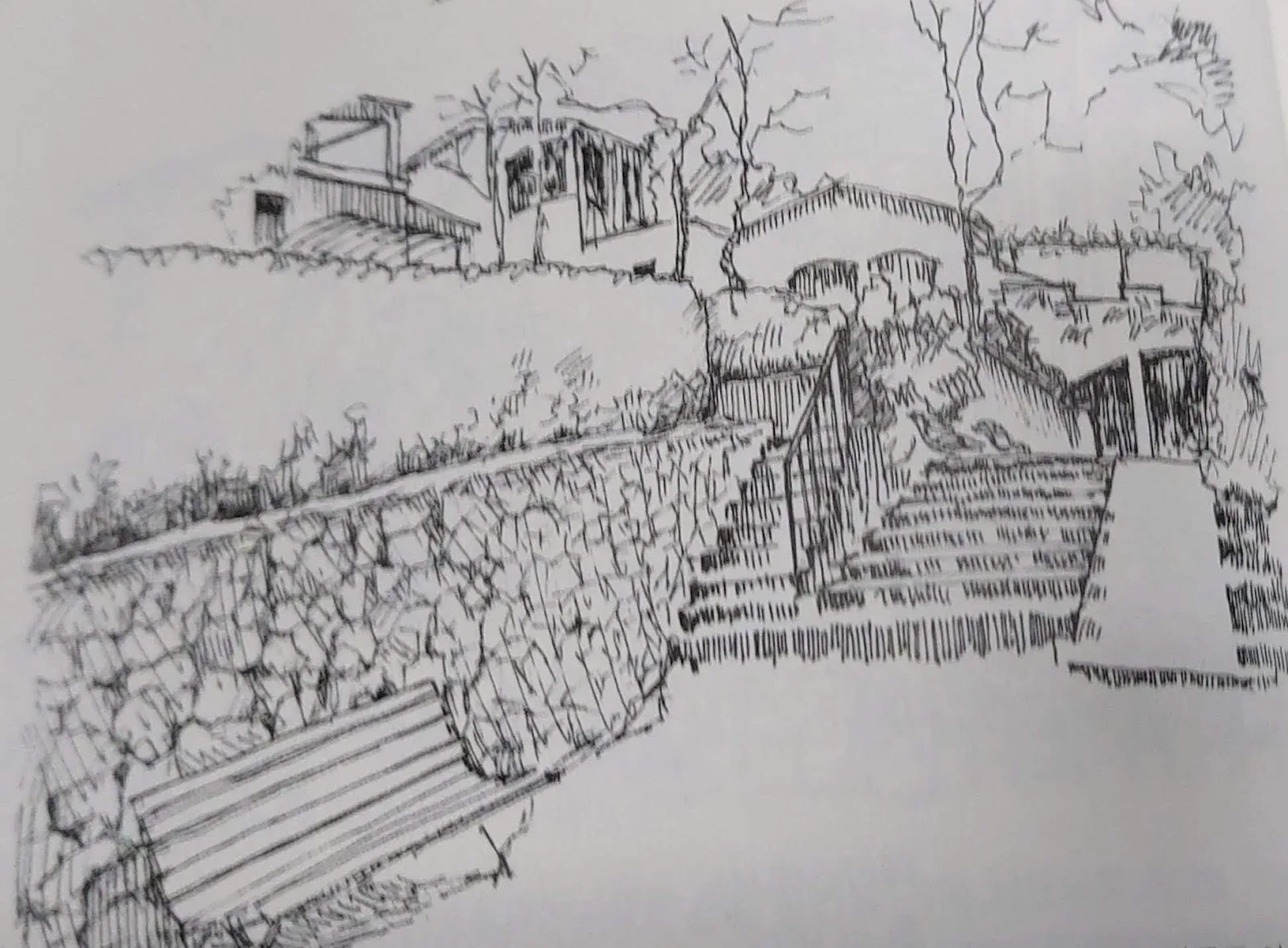
왜 그 책이 특별한 선물처럼 느껴졌느냐고요? 1972년 합천 청덕교회에서 전도사로서 사역을 시작해서 2019년 말 목회사역을 끝내기까지 약 50년 가까운 세월동안 하나님의 교회를 섬기면서 소원하고 기도하며 추구했던 믿음의 공동체의 모습을 <미션디모데>에서 확인할 수 있었으니까 말입니다. 참된 교회의 모습, 그 조각들을 가끔씩 목도하기도 했지만, <미션디모데>를 통해서 온전한 그림을 보게 되었기 때문입니다. 초대교회 성도들의 공동체는 옛날에만 존재했고, 존재할 수 밖에 없다는 우리의 불신앙을 산산조각 내었기 때문에 읽는 내내 행복했습니다. 프롤로그 “미션디모데로 향하는 여정”으로 시작해서 11가지 주제를 하나씩 잘 설명해 주고, 에필로그 “미션디모데를 나오며”까지, 여기 저기에 포함된 삽화처럼 아름답게 잘 구성되어 즐길 수 있었습니다.
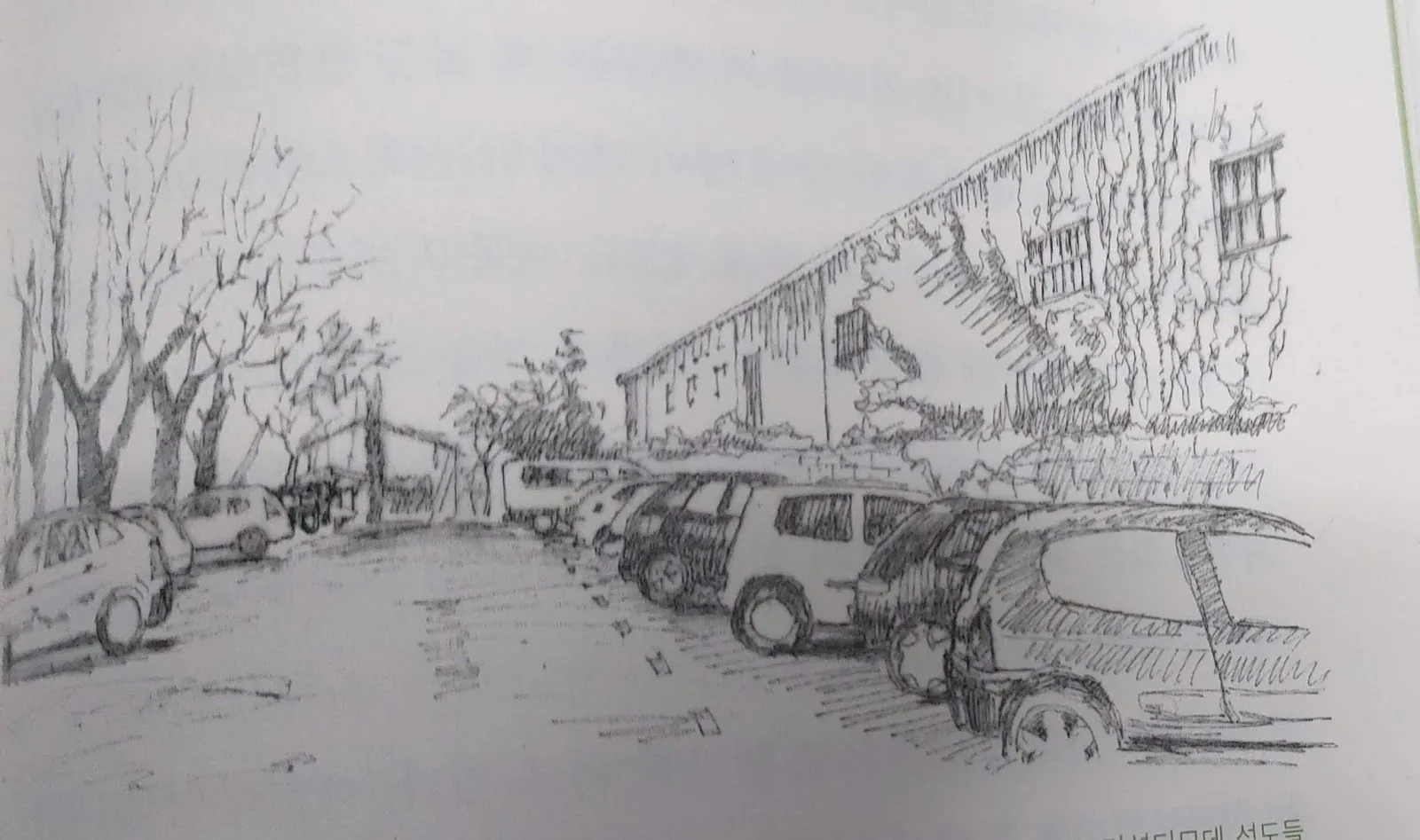
백년 전만해도 우리나라 어떤 교회도 건물을 두고 교회라고 부르지도 않았고 그렇게 현판을 써서 걸지도 않았습니다. <영락교회 예배당>, <새문안교회 예배당>, <안동교회 예배당>이라고 불렀습니다. 그러다가 언제부터인지 건물을 두고 반드시 붙이던 <예배당>이란 말은 사라지고, <무슨교회>라고 현판을 달기 시작하더니, 시간이 흐르면서 건물이 마치 교회인양 조금씩, 천천히 생각속에 자리하기 시작했습니다. 거기다가 교회당 건축 붐이 일면서 <예배당>은 아예 <성전>이라고 불리고, <성전건축 헌금> 봉투가 등장하고, 신앙생활의 표어 중 하나인 <교회중심>이란 표현은 건물중심의 교회를 지칭하는 것으로 변질되었습니다. 그러다보니, 자업자득이긴 하지만, 코로나 시대에는 엄청 스트레스를 받고 있습니다. 그러나 하나님을 기쁘시게 섬기는 공동체의 일원이 되길 원한다면 <미션디모데>를 정독(精讀)해 보시길 권하고 싶습니다.
Above the door of my study in our Ulsan home hangs a wooden plaque engraved with the phrase Midok-man-gwon-ji-sil (未讀萬卷之室). A quarter of a century ago, when I, his nephew, was installed as the senior pastor of Ulsan Church, my maternal uncle hand-carved this piece of calligraphy after the brushwork of a certain calligrapher Kim and presented it to me as a gift. While Midok-man-gwon-ji-sil literally translates to 'a room with ten thousand unread books,' this is a case where a thoughtful paraphrase suits it best: 'a room filled with countless books one longs to read.' During the recent week of spring break, I visited Ulsan, stepped into that room, browsed the bookshelves, and picked out a book that caught my eye—one I truly wanted to read.
That book was Mission Timothée, subtitled 'Living the Early Church Here and Now: Descendants of the Huguenots.' It was published by Duranno about a year and a half ago. Since one of the authors, Pastor Sun-ki Bang, is a friend of mine, I presume Duranno sent it as a gift. It arrived right around the time I retired, so I have no clear recollection of receiving it; and having spent a whole year resting and unwinding, it had simply escaped my notice all this while.
Reading the story of a Protestant community living alongside the Gospel in Anduze, a small village in France—just as their motto proclaims, "We live with the Gospel"—felt like a special gift from God, received a year and a half after my retirement.
Why did this book feel like such a special gift? Because in Mission Timothée, I could distinctly see the community of faith that I had longed for, prayed over, and pursued throughout nearly fifty years of serving the church of God—from starting out as an evangelist at Hapcheon Cheongdeok Church in 1972 until concluding my pastoral ministry at the end of 2019. Though I had occasionally witnessed fragments of what a true church ought to be, Mission Timothée allowed me to behold the complete picture. It brought immense joy throughout my reading, for it shattered our lingering unbelief—the cynicism that a fellowship like the early church could only exist in the distant past. Beginning with the prologue, "The Journey Toward Mission Timothée," it articulates eleven themes with great clarity and concludes with the epilogue, "Departing Mission Timothée." Like the lovely illustrations woven throughout, the book is beautifully crafted and a pure delight to read.
Only a century ago, no church in our country ever referred to a physical building merely as a 'church,' nor did they hang signboards that way. They were known as the , , and . But at some point, the word 'meeting house' (chapel), which had always been attached to the structure, quietly vanished. Plaques began displaying simply 'Such-and-Such Church,' and with the passage of time, the notion that the building itself is the church slowly and steadily settled into people's minds. Furthermore, with the boom in church construction, the 'meeting house' came to be revered as the 'temple,' envelopes for 'temple building offerings' made their debut, and the traditional motto of faith, 'church-centered,' degenerated into meaning building-centered. Consequently—though entirely self-inflicted—the church is enduring tremendous stress in this era of COVID-19. Yet, if you desire to be part of a community that delights and serves God in truth, I warmly encourage you to read Mission Timothée with deep and careful contemplation.
Bo die deur van my studeerkamer in ons huis in Ulsan hang daar 'n houtnaambord met die woorde Midok-man-gwon-ji-sil (未讀萬卷之室) daarop uitgekerf. 'n Kwarteeu gelede het my oom aan moederskant 'n sekere mnr. Kim se kalligrafie eiehandig as 'n houtsneewerk nagemaak en dit vir my present gegee toe ek as leraar van Ulsan Gemeente bevestig is. Midok-man-gwon-ji-sil beteken letterlik '’n vertrek met tienduisend ongeleesde boeke', maar in hierdie geval pas 'n vrye vertaling die beste: '’n vertrek vol ontelbare boeke wat 'n mens graag wil lees.' Onlangs, tydens 'n weeklange lentevakansie toe ek Ulsan besoek het, het ek daardie vertrek binnegestap, tussen die boekrakke rondgekyk en 'n boek gekies wat my oog gevang het—een wat ek werklik graag wou lees.
Daardie boek was Mission Timothée, met die subtitel: 'Hier en nou: Die nakomelinge van die Hugenote wat soos die vroeë kerk leef.' Dit is sowat 'n jaar en 'n half gelede deur Duranno uitgegee. Aangesien een van die skrywers, ds. Sun-ki Bang, 'n vriend van my is, neem ek aan dat Duranno dit waarskynlik as 'n geskenk gestuur het. Dit was juis rondom die tyd van my aftrede, so ek kan nie eens duidelik onthou dat ek dit ontvang het nie; en terwyl ek 'n hele jaar lank gerus en ontspan het, het die boek nooit vantevore my aandag getrek nie.
Om die verhaal te lees van 'n Protestantse gemeenskap wat saam met die Evangelie leef in Anduze, 'n klein dorpie in Frankryk—soos hul leuse lui: "Ons leef saam met die Evangelie"—het gevoel soos 'n besondere geskenk van God, presies 'n jaar en ses maande ná my aftrede.
Waarom het hierdie boek soos 'n besondere geskenk gevoel? Omdat ek in Mission Timothée 'n duidelike weerspieëling kon sien van die geloofsgemeenskap waarna ek verlang, voor gebid en nagejaag het gedurende byna vyftig jaar van diens in die kerk van God—vanaf my begin as evangelis by Hapcheon Cheongdeok-gemeente in 1972 tot die afsluiting van my pastorale bediening aan die einde van 2019. Al het ek soms fragmente van 'n ware kerk aanskou, het ek deur Mission Timothée die volledige prentjie gesien. Dit het my deurgaans baie gelukkig gemaak om dit te lees, want dit het ons knaende ongeloof verpletter—die gedagte dat die gemeenskap van gelowiges soos in die vroeë kerk slegs in vervloë tye kon bestaan. Vanaf die voorwoord, "Die reis na Mission Timothée," word elf temas opeenvolgend en deeglik verduidelik tot by die nabetragting, "By die vertrek uit Mission Timothée." Nes die illustrasies wat oral ingesluit is, is die boek pragtig saamgestel en 'n ware genot om te lees.
Nog maar 'n eeu gelede het geen kerk in ons land na 'n gebou as 'n 'kerk' verwys of so 'n naambord opgehang nie. Mense het gepraat van die , en . Maar op 'n sekere tydstip het die woord 'saal' (gebedshuis), wat altyd aan die fisiese gebou gekoppel was, verdwyn. Naamborde met slegs 'Dié-en-dié Kerk' is opgehang, en met die verloop van tyd het die gedagte dat die gebou self die kerk is, stadigaan in mense se koppe posgevat. Boonop, met die opbloei van kerkbouprojekte, is die 'kerksaal' selfs 'n 'tempel' genoem, koeverte vir 'tempelbou-offergawes' het verskyn, en die tradisionele leuse 'kerkgesentreerd' het ontaard in 'n ingesteldheid wat om die fisiese gebou draai. Gevolglik—hoewel dit ons eie skuld is—ervaar die kerk vandag geweldige spanning tydens die COVID-19-pandemie. Maar as u graag deel wil wees van 'n gemeenskap wat God met vreugde dien, beveel ek u hartlik aan om Mission Timothée aandagtig en biddend deur te lees.