11월 첫 번째 토요일, 에스라성경대학원대학교 수시입학지원을 한 학생들을 면접을 통한 전형을 한 날입니다. 정시모집기간이 두 주간 후에 곧 다가오지만 내년 에스라 농사를 위해서 아주 중요한 행사입니다. 맹자는 군자(君子)의 삼락(三樂) 가운데 세 번째 즐거움을 ‘천하의 영재를 얻어 가르치는 것’이라고 했습니다. 그 즐거운 일을 위한 첫 걸음이 지난 토요일 오전에 입학지원서를 낸 학생들을 한 사람씩 만나서 면접을 통해 선별하는 일입니다. 직접 학생들을 면접하는 일은 교수님들이 하지만, 총장은 그 결과를 수렴하는 대학원위원회 위원장으로서의 마지막 정리하는 직무가 있습니다. 그러다보니 토요일이지만 다른 교수님들과 꼭 같이 특별한 주말근무를 한 셈입니다.
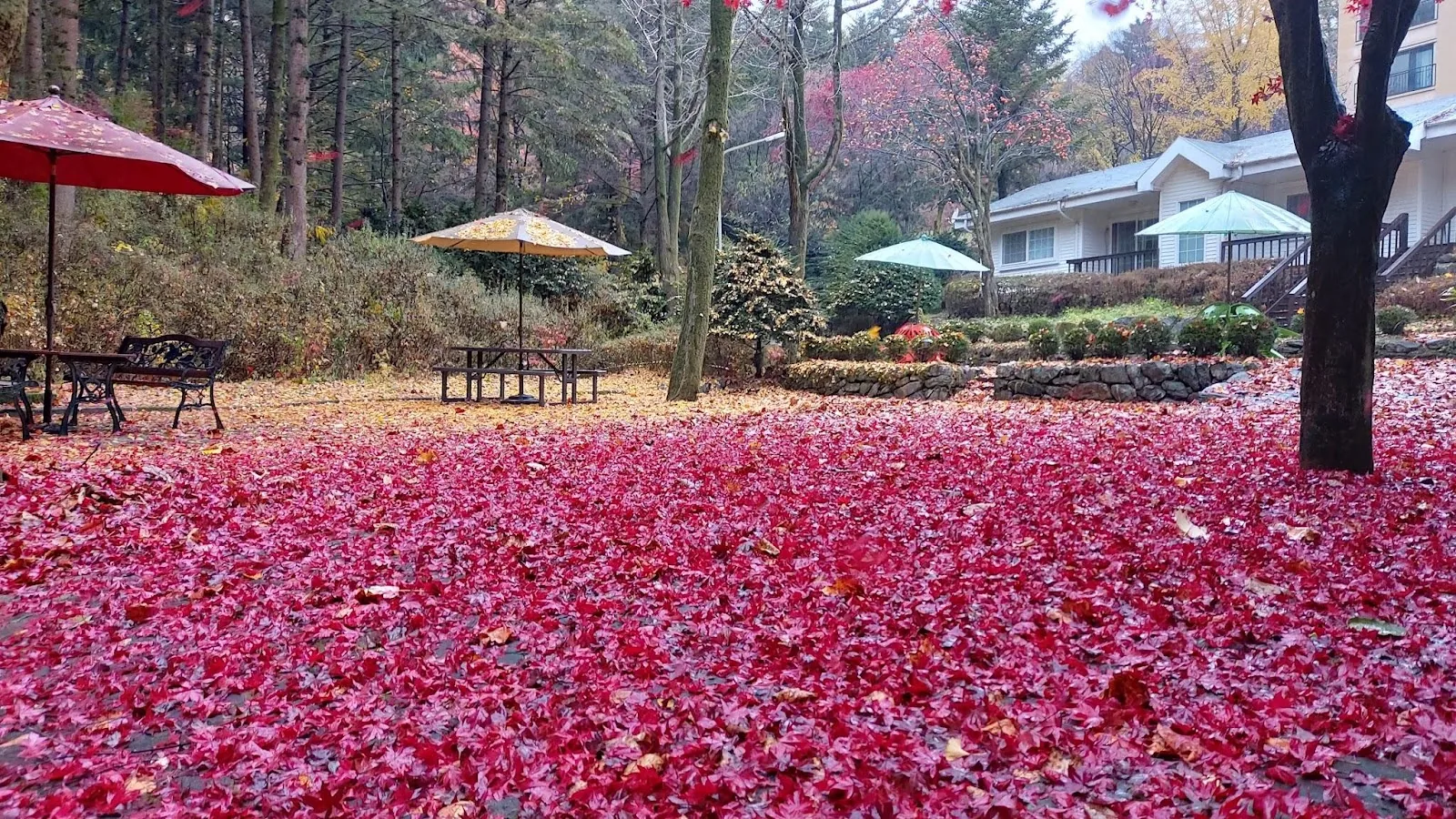
이번에 온 학생들은 세 가지 과정에 입학지원을 했습니다. 성경학박사(D.Litt.)과정과 문학석사M.A.) 과정, 그리고 신학석사(Th.M.) 과정에 지원한 사람들입니다. 그리고 우리 학교는 이 일을 신실하게 수행하기 위해서 이력서뿐만 아니라 자기소개서, 그리고 상급자, 친구, 후배 등으로부터 추천서를 각각 받아서 그 바쁜 와중에 교수님들이 그 두툼한 각 학생의 서류를 미리 살피고 학생들을 만납니다. 저도 총장이 된 후 처음으로 지원자들의 서류를 살펴보게 되었습니다. 먼저 누구인지를 알아야 다음 단계로 성숙해 가는 일을 돕기 위해서, 하다 못해 기도라도 시작할 것이고, 내년 3월에 에스라 26기 학생으로 입학하면, 정식으로 만나 교제를 나누는 일을 위해서도 꼭 필요한 일입니다. 사람을 알아가고 배려하는 것은 목회나 교육의 기본적인 업무에 속하는 일이라고 믿습니다.
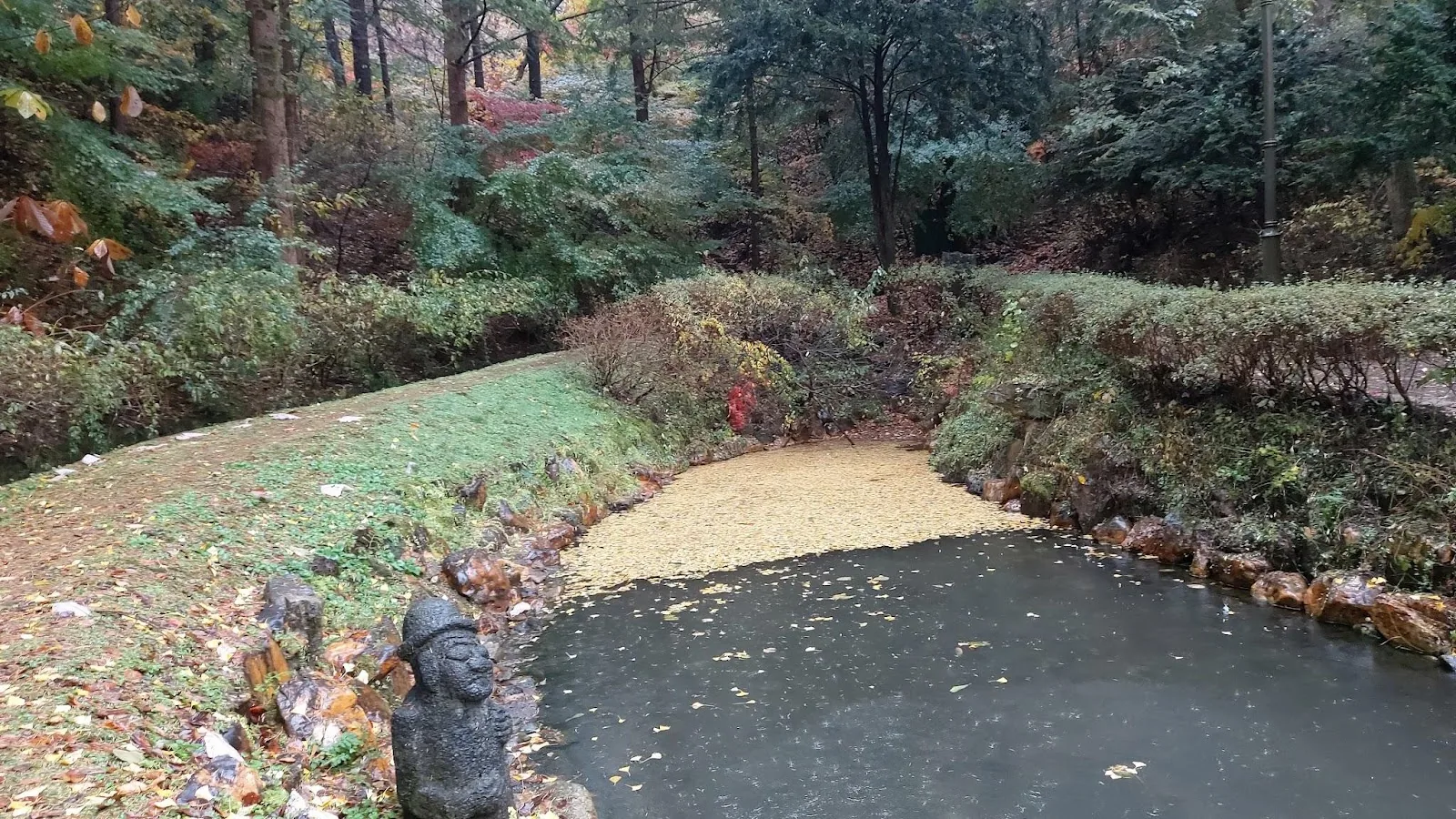
첫 페이지 이력서를 통해서 전체적으로 살핀 후에, 자기 소개서를 통해서 좀 더 구체적인 면모를 접하게 되고, 주변의 추천인 세 사람을 통해서 좀 더 객관적인 모습을 그려볼 수 있어서 좋았습니다.
우선 자기소개서 항목을 보면서 참으로 구체적인 면접문항으로 인해서 감탄했습니다. 괜찮은 어떤 기업입사면접문항과 비교해도 손색이 없어보였습니다. 우린 기업이 아니니까 능력보다는 인품에 방점을 둡니다. 그렇기에 첫 질문은 현재 사역을 통해서 얻는 가장 큰 기쁨을 묻고 있습니다. 세상은 대박에 관심을 가질 수 있지만 우리는 무엇으로 기뻐하고 무엇으로 즐거워하는 사람인지를 먼저 알고자 합니다. 여러 질문 가운데, 당연히 왜 우리 학교에 지원했는지 그리고 누가 추천했는지 등등도 포함되어 있습니다. 자랑스러운 것은, 맛집 추천처럼, 우리 학교에서 공부를 한 동문들의 추천과 학교를 잘 아는 지인들의 추천으로 오는 사람들이 대다수라는 사실입니다.
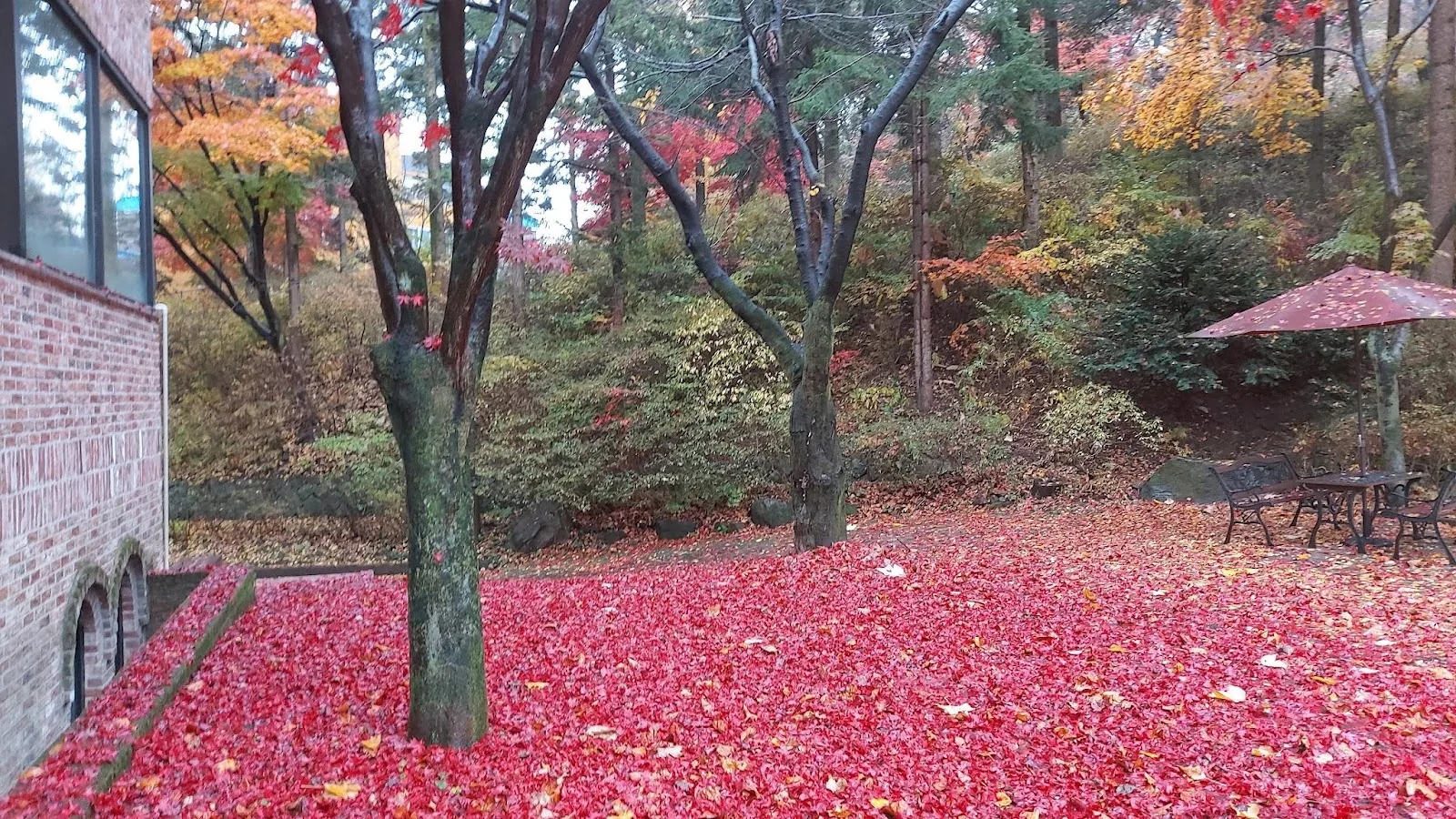
특별히 제 개인적으로는, 최근에 읽은 책 중에서 가장 감명 깊었던 책이나 여태까지 읽었던 책 중에 다른 사람에게 권하고 싶은 책은 무엇이며 그 이유가 무엇인지 하는 항목을 통해서, 가을이 가기 전에 읽을 책 목록을 작성할 수도 있습니다. 그리고 현재의 한국교회의 흐름과 방향에 대한 각자의 견해를 묻는 항목을 통해서도 배운 바가 큽니다. 거기에는 우선 <코로나19 팬데믹 상황>은 거의 모든 지원자들이 사용한 단어입니다. 빅데이터 분석은 아니지만 얼마나 사람들의 생각속에 코로나가 자리하고 있는지를 보게 된 셈입니다. 바라기는 세상을 B.C.와 A.C.에 매몰되지 말고, 여전히 세상을 B.C.와 A.D.로 볼 수 있는 지혜를 가졌으면 하는 아쉬움이 남았습니다. 항목을 일일이 언급할 수도 없고, 밝혀서도 안되겠지만, 자소서의 항목은 우리 학교가 어떤 학생을 원하는지를 충분히 알 수 있는 문항들이었습니다.
On the first Saturday of November, we conducted early admissions interviews for prospective students applying to Ezra Bible Graduate University. While the regular admissions period is approaching in just two weeks, this day marks a profoundly important milestone in preparing the soil for next year's harvest at Ezra. Mencius spoke of the gentleman's three joys (君子三樂), naming the third as 'gathering the finest minds under heaven and teaching them.' The first step toward realizing that delight began last Saturday morning, as we met the applicants who had submitted their dossiers one by one to discern and select them through personal interviews. While the faculty members directly conducted the interviews, as President and chair of the Graduate School Committee that deliberates on the results, I had the duty of gathering and concluding the proceedings. Consequently, though it was a Saturday, I found myself working alongside my fellow professors on this special weekend assignment.
The applicants who arrived on this day sought entry into three distinct programs: Doctor of Letters in Biblical Studies (D.Litt.), Master of Arts (M.A.), and Master of Theology (Th.M.). In order to carry out this evaluation with pastoral fidelity, our school requires not only a résumé, but also a personal statement and letters of recommendation from each applicant's mentor, friend, and junior colleague. Despite their demanding schedules, our professors diligently reviewed these voluminous files in advance before sitting down with the candidates. For me as well, this was the first time since assuming the presidency that I closely examined the applicants' dossiers. One must first come to know who someone is in order to help them mature into their next chapter—or at the very least, to know how to begin praying for them. It is also an indispensable preparation for welcoming them warmly in March next year when they enter as Ezra's 26th graduating cohort and begin formal fellowship with us. I firmly believe that taking the time to know and care for an individual lies at the very heart of pastoral ministry and education.
After gaining an overall picture through their front-page résumé, the personal statement offered a more detailed glimpse into their lives, and the three recommendation letters from people around them provided an objective perspective—a truly gratifying process.
In particular, as I went through the questions in the personal statement, I was deeply impressed by how thoughtful and thorough the prompts were. They would rival the recruitment questions of any reputable institution. Yet, because we are not a corporate enterprise, our focus rests on personal character rather than mere worldly competence. Fittingly, the very first question asks what brings them the greatest joy in their current ministry. While the world may seek after instant success and fortune, our primary desire is to discover what makes an applicant rejoice and where their heart finds delight. Among the various inquiries, there were naturally questions asking why they chose our institution and who recommended it to them. What fills me with quiet gratitude is the fact that, much like passing along a recommendation for a beloved neighborhood eatery, the vast majority applied through the heartfelt recommendations of our alumni and friends who know our school intimately.
From a personal standpoint, questions asking which book left the deepest impression on them recently, or which work they would recommend to others and why, gave me wonderful ideas for compiling a reading list before autumn draws to an end. Moreover, I learned a great deal from the prompt asking for their perspectives on the current trends and direction of the Korean church. One phrase appeared almost without exception across nearly all applications: "the COVID-19 pandemic situation." Even without big data analytics, one could vividly perceive just how deeply the pandemic has weighed on people's hearts and minds. Still, a quiet longing lingered within me: that rather than letting our worldview be buried under the secular divide of B.C. (Before Corona) and A.C. (After Corona), we might retain the enduring spiritual wisdom of reading all history as B.C. (Before Christ) and A.D. (Anno Domini). While I cannot and should not disclose every specific question, the prompts in the personal statement demonstrated unmistakably the kind of faithful students our university longs to embrace.
Op die eerste Saterdag van November het ons by Ezra Bybelse Nagraadse Universiteit onderhoude gevoer vir voornemende studente wat aansoek gedoen het vir vroeë toelating. Al breek die gewone aansoektydperk oor twee weke aan, is hierdie dag 'n uiters belangrike mylpaal om die grond voor te berei vir volgende jaar se oes by Ezra. Mencius het van die edelman se drie vreugdes (君子三樂) gepraat, waarvan die derde was om 'die beste geeste onder die hemel bymekaar te bring en hulle te onderrig.' Die eerste stap na daardie vreugdevolle taak het die afgelope Saterdagoggend begin, toe ons die aansoekers wat hul dokumente ingedien het, een vir een ontmoet het om hulle deur middel van onderhoude te keur. Terwyl die dosente die onderhoude self waarneem, het die rektor die taak om as voorsitter van die Nagraadse Komitee die uitslae te versamel en die finale afronding te behartig. Al was dit Saterdag, het ek dus saam met die ander dosente 'n besondere naweekdiens verrig.
Die studente wat hierdie keer gekom het, het aansoek gedoen vir drie verskillende programme: die Doktorsgraad in Bybelkunde (D.Litt.), die Magistergraad in Lettere (M.A.), en die Magistergraad in Teologie (Th.M.). Om hierdie taak met getrouheid te verrig, vereis ons skool nie net 'n lewensloopbaan nie, maar ook 'n persoonlike lewensbeskrywing en aanbevelingsbriewe van 'n leidinggewende mentor, 'n vriend en 'n jonger kollega. Te midde van hul besige werksaamhede het ons dosente hierdie lywige aansoekerslêers vooraf deeglik bestudeer voordat hulle die studente ontmoet het. Ook vir my was dit die eerste keer sedert my aanstelling as rektor dat ek die aansoekers se dokumente kon nagaan. 'n Mens moet immers eers weet wie iemand is om hulle te help groei na die volgende fase—of ten minste om te weet waarvoor om vir hulle te begin bid. Dit is ook onontbeerlik om hulle in Maart aanstaande jaar, wanneer hulle as Ezra se 26ste klas inskryf, hartlik te kan ontmoet en gemeenskap met hulle te beoefen. Ek glo vas dat om 'n mens werklik te leer ken en vir hom om te gee, tot die wesenlike roeping van sowel die herdersamp as die onderwys behoort.
Nadat ek deur die voorblad-CV 'n breë oorsig gekry het, het die persoonlike verklaring 'n meer lewendige en konkrete blik op hul lewens gebied, terwyl die drie getuigskrifte van mense rondom hulle 'n mooi, objektiewe beeld geskets het—'n baie verrykende ervaring.
Toe ek die vrae in die persoonlike verklaring lees, was ek opreg beïndruk deur die diepgang en deurdagtheid van die vraelys. Dit sou geensins terugstaan vir die keuringsvrae van enige vooraanstaande maatskappy nie. Tog, omdat ons nie 'n sakeonderneming is nie, lê ons klem op karakter en integriteit eerder as blote wêreldse bekwaamheid. Daarom vra die heel eerste vraag na die grootste vreugde wat hulle tans in hul bediening ervaar. Die wêreld jaag dalk kitsukses na, maar ons wil allereers weet waaroor 'n mens se hart juig en waaruit hy sy vreugde put. Tussen die verskillende vrae was daar natuurlik ook vrae oor hoekom hulle juis by ons skool aansoek gedoen het en wie hulle aangemoedig het. Wat my met stille dankbaarheid vervul, is dat die oorgrote meerderheid aansoekers—baie soos wanneer 'n mens 'n goeie eetplek aanbeveel—hierheen kom op aanbeveling van ons eie alumni en goeie vriende wat ons universiteit deeglik ken.
Persoonlik het die vraag oor watter boek hulle onlangs die diepste geraak het, of watter boek hulle vir ander sou aanbeveel en waarom, my pragtige idees gegee om 'n leeslys saam te stel voordat die herfs ten einde loop. Daarbenewens het ek baie geleer uit die vraag wat vra na hul eie beskouing van die huidige neigings en rigting van die Koreaanse kerk. Feitlik sonder uitsondering het byna elke aansoeker die frase 'die COVID-19-pandemiesituasie' gebruik. Selfs sonder data-ontleding kon 'n mens duidelik waarneem hoe diep die pandemie in mense se harte en gedagtes ingebrand staan. Tog het 'n stil verlange by my agtergebly: dat ons nie die wêreld moet laat verskraal tot 'n verdeling van B.C. (Voor Corona) en A.C. (Na Corona) nie, maar die blywende geestelike wysheid sal behou om alle tye steeds te sien as B.C. (Voor Christus) en A.D. (Anno Domini—die Genadejaar van ons Here). Al kan en mag ek nie elke fyn besonderheid van die vraelys openbaar maak nie, het die vrae in die persoonlike verklaring duidelik getoon watter soort getroue studente ons universiteit so graag wil ontvang.