<어린 악마가 늙은 악마에게 물었다. “어떻게 그 많은 영혼을 지옥으로 보낼 수 있었어요?” 늙은 악마는 “그들에게 공포를 주입시켰지”라고 대답한다. 어린 악마가 계속 말한다. “정말 잘했네요!” “그럼 사람들이 무엇에 두려워했나요? 전쟁? 굶주림?” 늙은 악마가 말하기를 “아니야, 사람들은 질병을 두려워했단다.” 어린 악마가 묻습니다 “사람들은 그동안 아프지 않았나요? 그들은 죽지 않았어요? 사람들은 때로 고침받지 않았나요?” 늙은 악마가 말하기를 “물론 사람들은 아팠고, 죽었고, 일부는 회복되어 살아나기도 했지.” 어린 악마가 놀라면서 대답한다. “그런데 이해할 수가 없어요???” 늙은 악마가 또 답한다 “너도 알다시피 사람들이 어떤 희생을 치루고라도 꼭 지키려고 하는 게 자신들의 생명이었다.”
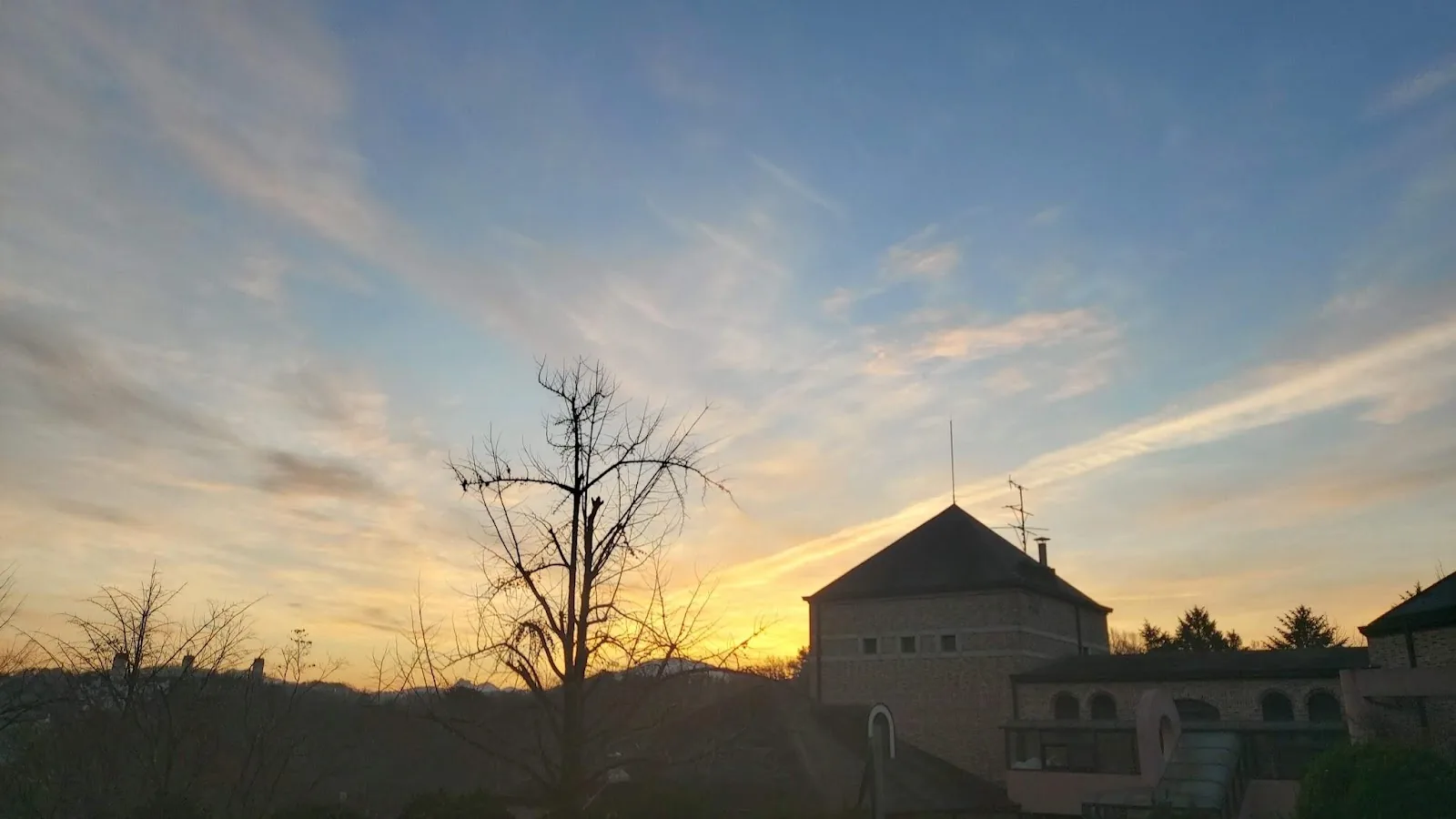
사람들은 서로 안아주는 것, 인사하는 것을 멈추었다. 사람들이 서로서로를 멀리했지, 사람들은 모두 사회적 접촉을 멀리했지, 인간들이 해오던 것을 차례로 포기했단다. 후에 사람들은 돈이 떨어졌고, 직업도 잃고, 그러나 그것은 자신들의 생명을 잃는 게 두려워서 스스로가 선택한 것이었지, 빵이 떨어짐에도 직업을 그만 둔 이유가 거기에 있지. 사람들은 맹목적으로 신문에서 읽고 들은 것을 믿었거든. 사람들 스스로 자유를 포기했어. 사람들은 자기 집을 떠나지 않았고 정확하게 어느 곳도 안갔단다. 사람들은 가족과 친구집을 방문하는 것도 멈추었단다. 누가 자신들을 묶어두지도 않았음에도 세상은 커다란 수용소로 변했고 사람들은 그 모든 것을 받아들였다. 단지 참혹한 하루를 더 살기 위해서, 그리고 그렇게 살면서 사람들이 매일 매일 죽었다. 그래서 내가 어리석은 영혼들을 지옥으로 데려오기 쉬웠던 거지.>
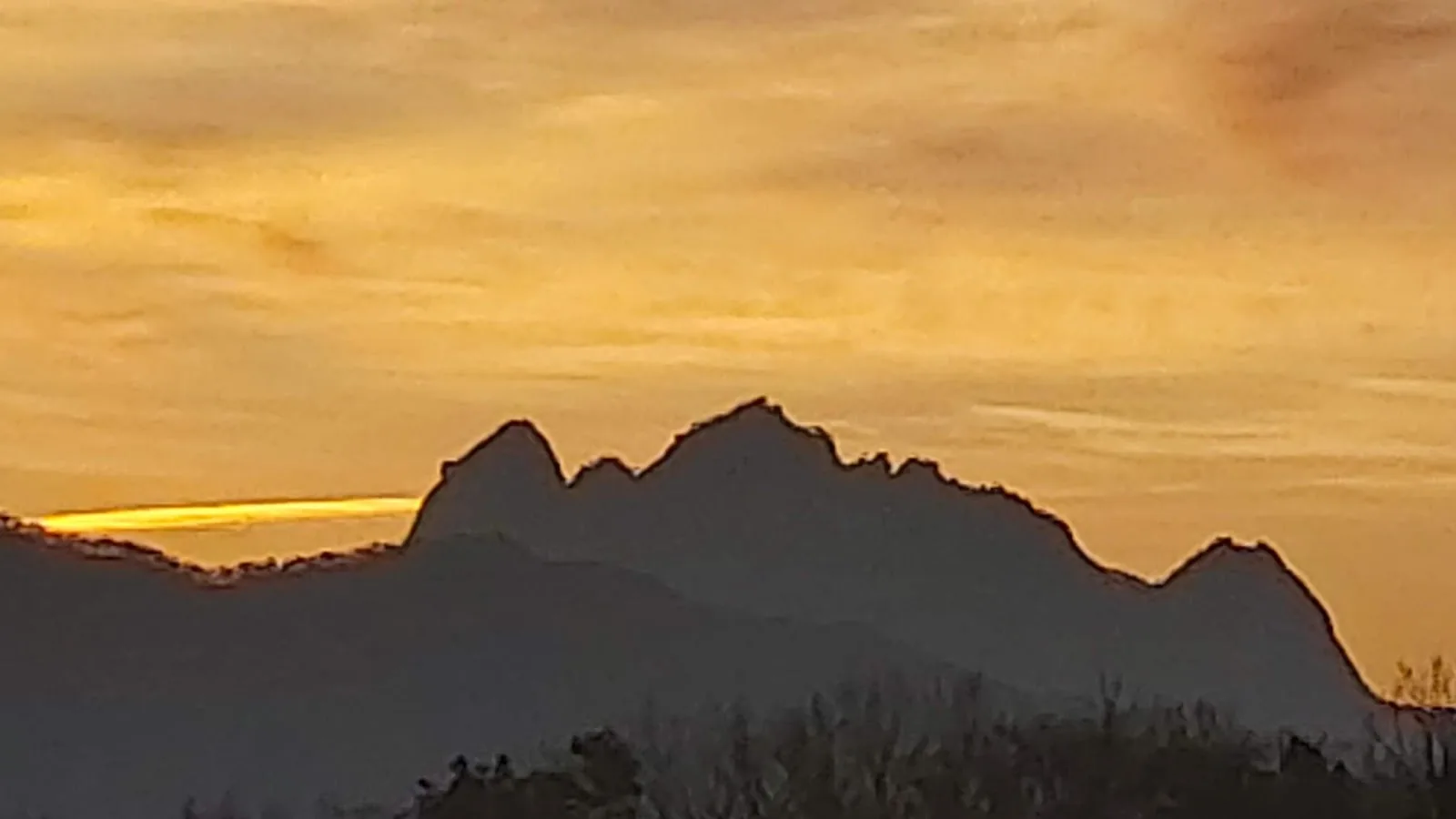
위의 글은 1942년 C. S. 루이스 [스크루테이프의 편지] 가운데 나온 구절로 알려져있습니다. 시대를 초월한 루이스의 통찰은 마치 우리 시대의 자아상 같습니다. 대자산이라고 불리는 뒷산을 일주일에 닷새 정도는 걷습니다. 대자산 능선길에는 멀리 북한산 오봉도 눈에 들어옵니다. 코스를 잡기에 따라서 4천보에서 6천보 정도를 한 시간 내외로 걷습니다. KBS 클래식 음악전문채널에서 흘러나오는 음악을, 휴대폰에서 손바닥 크기의 BOSE 스피커로 듣든지, 아니면 듣고 싶은 성경을 우리말로든 영어로든 들으면, 걷는 즐거움이 배가 됩니다. 도시 문명의 흔적보다 4계절 자연의 변화를 보면서, 날마다 변하는 푸른 하늘의 모습도 보면서 귀로는 좋은 음악을 듣는 기쁨이 쏠쏠합니다. 게다가 포장되지 않은 산길이어서 걷는 감촉이 정말 좋습니다.
[
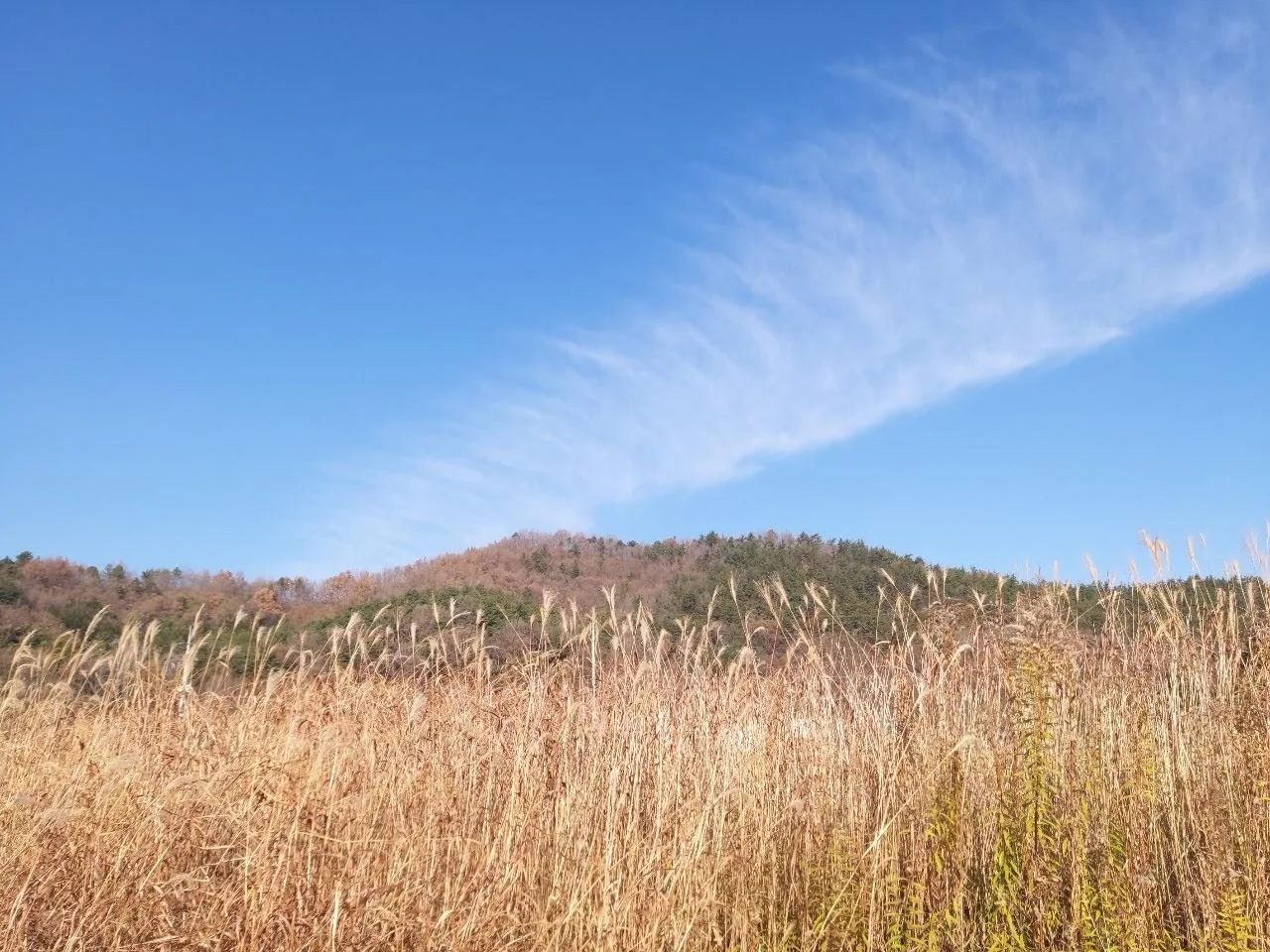
하지만 아주 가끔씩 산길을 걷는 다른 분들도 만납니다. 그래서 마스크를 준비해서 목에 걸치고 집을 나섭니다. 어느 날은 세 분의 아주머니들을 만나서 스쳐지나가게 되었습니다. 그런데 한 분은 산길이라 그랬는지 아예 마스크를 하지도 않고 유유히 지나가는데, 그 다음 분은 계속해서 마스크를 하고 계셨고, 세 번째 분은 나처럼 일행을 보고나서 마스크를 한다고 바빴습니다. 상대방이 하고 걷든지, 우리를 보고 마스크를 하면 우리도 이에 대응하고, 아예 마스크를 하지 않고 오면, 나도 목에 걸친 마스크를 급히 하려고 하지 않습니다. 일찍 하무라비 법전의 구절처럼 “이에는 이, 눈에는 눈”으로 처신합니다. “부정하다 부정하다”라고(레 13:45), 모세 시대의 문둥병자가 옷을 찢고 머리를 풀며 윗 입술을 가리우고 외치는 소리도 들려올 것 같은 세상입니다. 그러나 늙은 악마가 주입한 죽음에 대한 두려움을 극복하면, 주변의 자연뿐 아니라 푸른 하늘도 흰구름도 보일 것입니다.
<A young devil asked an older devil, “How were you able to send so many souls to hell?” The old devil answered, “I injected fear into them.” The young devil continued, “Brilliant! So what were the people afraid of? War? Famine?” The older devil replied, “No, they were terrified of sickness.” The young devil asked, “Had people never been sick before? Didn't they die? Weren't people sometimes healed and restored?” The old devil said, “Of course they fell ill, died, and some recovered and lived on.” Puzzled, the young devil replied, “Then I don't understand???” The old devil answered once more, “As you well know, the one thing people sought to protect at any cost was their own earthly lives.”
People stopped embracing one another; they stopped greeting each other. They distanced themselves from one another, shunned all social contact, and surrendered one by one the very things that made them human. Later, their money ran out and they lost their livelihoods, yet this was a path they chose willingly out of the sheer terror of losing their lives; that was why they gave up their work even as their bread ran out. People blindly believed whatever they read in the papers and heard on the news. They gave up their freedom of their own accord. They stayed inside their homes and went nowhere at all. They stopped visiting family and friends. Even though no one had physically chained them, the world became one giant concentration camp, and they accepted it all. All just to survive one more wretched day—and living like that, they died day by day. That was why it was so easy for me to usher those foolish souls into hell.>
The excerpt above is widely cited as a passage from C. S. Lewis's 1942 classic, The Screwtape Letters. Lewis's timeless insight feels remarkably like a portrait of our contemporary world. About five days a week, I go walking on Daejasan, the hill behind my home. Along the ridgeline of Daejasan, the distant Obong Peaks of Bukhansan come into view. Depending on the route I choose, I walk roughly 4,000 to 6,000 steps within an hour or so. When I listen to music streaming from the KBS Classic FM channel on my phone through a palm-sized Bose speaker, or when I listen to the Scriptures being read in Korean or English, the simple joy of walking is doubled. Rather than the traces of urban civilization, gazing at the changing beauty of nature across the four seasons, watching the ever-shifting blue skies, and listening to fine music brings immense delight. Moreover, because it is an unpaved mountain trail, the earthy feel underfoot is truly wonderful.
[
Yet on occasion, I do encounter other people walking along the trail. For that reason, I always leave home with a mask draped around my neck. One day, I crossed paths with three women walking together. Perhaps because it was an open mountain trail, the first woman wore no mask at all and strolled past leisurely; the second woman kept her mask on firmly; and the third, like me, hurriedly put her mask on only after spotting another person. If someone is wearing a mask or puts one on upon seeing us, we respond in kind; if they approach without one, I do not rush to pull up the mask hanging around my neck. Much like the ancient code of Hammurabi, I respond with “an eye for an eye, a tooth for a tooth.” In times like these, one can almost hear the cry of the leper from the days of Moses, tearing his clothes, letting his hair hang loose, covering his upper lip, and calling out, “Unclean! Unclean!” (Leviticus 13:45). Yet, if we can overcome the fear of death injected by the old devil, we will once again behold not only the surrounding creation, but also the clear blue sky and the white clouds drifting above.
<'n Jong duiweltjie het vir 'n ou duiwel gevra: “Hoe kon jy so baie siele na die hel toe stuur?” Die ou duiwel het geantwoord: “Ek het vrees in hulle ingebolwerk.” Die jong duiweltjie het voortgegaan: “Uitstekend gedoen! Waarvoor was die mense dan bang? Oorlog? Hongersnood?” Die ou duiwel sê toe: “Nee, hulle was doodbang vir siekte.” Die jong duiweltjie vra: “Was mense dan nie voorheen siek nie? Het hulle nie gesterf nie? Is mense nie soms genees en herstel nie?” Die ou duiwel antwoord: “Natuurlik was hulle siek, het hulle gesterf, en sommige het herstel en bly lewe.” Verbaas vra die jong duiweltjie: “Maar ek verstaan dit glad nie???” Die ou duiwel antwoord weer: “Soos jy weet, was die een ding wat mense ten alle koste wou bewaar, hul eie aardse lewe.”
Mense het opgehou om mekaar te omhels, opgehou om mekaar te groet. Hulle het mekaar vermy, alle sosiale kontak afgesweer en stap vir stap dít prysgegee wat hulle menslik gemaak het. Later het hul geld opgeraak en het hulle hul werk verloor, maar dit was 'n keuse wat hulle self gemaak het uit pure vrees om hul lewe te verloor; dít was die rede waarom hulle hul werk neergesit het selfs toe die brood opgeraak het. Mense het blindelings geglo wat hulle in die koerante gelees en gehoor het. Hulle het vrywillig van hul vryheid afstand gedoen. Hulle het nie hul huise verlaat nie en het nêrens heen gegaan nie. Hulle het opgehou om familie en vriende te besoek. Al het niemand hulle vasgebind nie, het die wêreld in 'n reuse-konsentrasiekamp verander, en hulle het dit alles gedweë aanvaar. Alles net om nog een ellendige dag te kon oorleef—en terwyl hulle so geleef het, het hulle dag vir dag gesterf. Daarom was dit vir my so maklik om daardie dwase siele na die hel toe te lei.>
Bogenoemde aanhaling word algemeen toegeskryf aan C. S. Lewis se klassieke werk uit 1942, The Screwtape Letters. Lewis se tydlose insig voel soos 'n spieëlbeeld van ons eie tydvak. Omtrent vyf dae per week stap ek op Daejasan, die heuwel agter my huis. Langs die kruinpaadjie van Daejasan kan 'n mens die verre Obong-pieke van Bukhansan gewaar. Na gelang van die roete wat ek kies, stap ek sowat 4 000 tot 6 000 treë binne ongeveer 'n uur. Wanneer ek na die musiek luister wat vanaf die KBS Klassieke Musiekkanaal oor my selfoon deur 'n handgrootte Bose-luidspreker speel, of na die Skrif in Koreaans of Engels luister, word die vreugde van die stap verdubbel. Eerder as die spore van die stedelike beskawing, bring die aanskoue van die vier seisoene se natuurlike verloop, die immer veranderende blou lug, en die pragtige musiek in my ore 'n diep genot mee. Boonop is dit 'n ongeteerde bergpaadjie, en die gevoel van die grond onder 'n mens se voete is waarlik wonderlik.
[
Nogtans kom ek nou en dan ander stappers op die bergpaadjie teë. Daarom sorg ek dat ek altyd met 'n masker om my nek van die huis af vertrek. Op 'n dag het ek drie dames teëgekom en verbygestap. Miskien omdat dit 'n bergpaadjie was, het die eerste een glad nie 'n masker gedra nie en rustig verbygestap; die tweede dame het haar masker heeltyd aangehad; en die derde dame was, net soos ek, haastig besig om haar masker op te sit toe sy ons sien naderkom. As die ander persoon 'n masker dra of dit opsit wanneer hulle ons sien, doen ons dieselfde; as hulle sonder 'n masker aangestap kom, haas ek my ook nie om die masker om my nek op te trek nie. Byna soos die bepaling in die antieke Kode van Hammurabi handel ek: “'n Oog vir 'n oog, 'n tand vir 'n tand.” In tye soos hierdie voel dit byna asof 'n mens die melaatse uit die dae van Moses kan hoor uitroep met geskeurde klere, loshangende hare en 'n bedekte bolip: “Onrein, onrein!” (Levitikus 13:45). Maar as ons die vrees vir die dood wat die ou duiwel ingeboesem het kan oorkom, sal ons nie net die omliggende natuur raaksien nie, maar ook weer die helderblou hemel en die wit wolke gewaar.