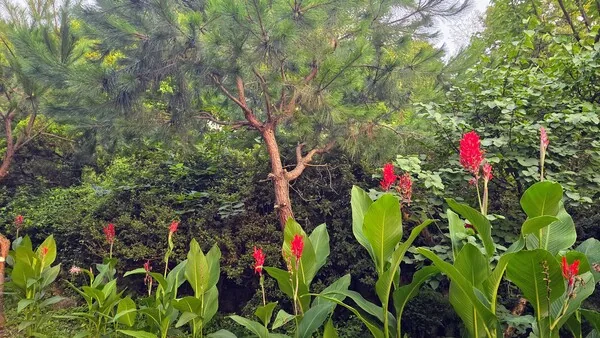
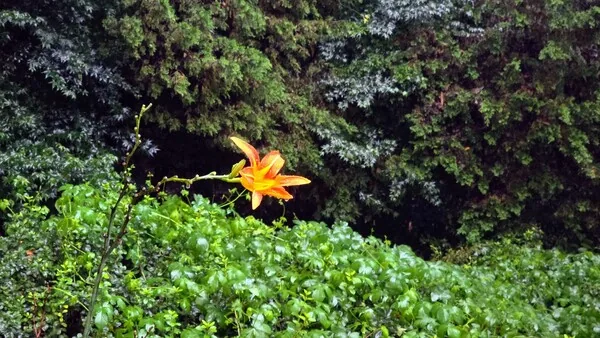
처서(處暑)를 기점으로 새로운 바람이 불기 시작했습니다. 이른 봄 경칩(驚蟄)이 되면 개구리의 울음소리가 들릴 때의 감동이, 하필이면 그 더운 여름 바람이 처서(處暑)부터 달라지는 것을 느끼면서 다시 한 번 감탄했습니다. 그날 밤부터는 에어컨을 끄고 창문을 열고 자도 될 만큼 시원해졌습니다. 어쩌면 여기가 서울 한 복판이 아니라 경기도 고양이기 때문일까요? 아니면 에스라성경대학원대학교의 쾌적한 캠퍼스의 자연환경 때문일까요? 설립자 백정란 님 부부께서 4~50년 전에 심고 가꾼 덕분에 에스라 캠퍼스, 특히 신관 303호 우리집에서 바라보는 경관은 울창한 숲속입니다. 온종일 매미소리와 이른 아침의 새소리에 잠이 깨는 에스라는 남유럽의 휴양지같습니다.
물론 교실마다 에어컨을 켜고 수업을 하고 있지만 1학년(33명), 2학년(21명), 그리고 박사과정 (11명) 모두 65명으로 2학기의 새출발을 했습니다. 봄에는 어린이날이 있는 5월 첫 주간, 가을에는 추석이 포함된 한 주간 중간 방학외에는, 15주간 동안 빨간 날 하루도 쉬지 않고 수업이 진행됩니다. 참으로 성실한 교수님들 덕분이기도 하고 지난 30년간의 에스라의 전통이기도 합니다. 우리 학교는 신학교가 아닙니다. 그래서 신학을 가르쳐서 목사를 배출하는 대신에 말씀을 사랑하는 분들에게 성경을 가르치기에 <에스라성경대학원대학교>라고 부릅니다. 학사학위를 갖추어 입학한 분들에게, 성경 책별로 66권을 모두 다, 그리고 각 책을 장별로 가르치는 방식을 택하고 있는 대한민국의, 아니 세계적으로도 드문 학교입니다.
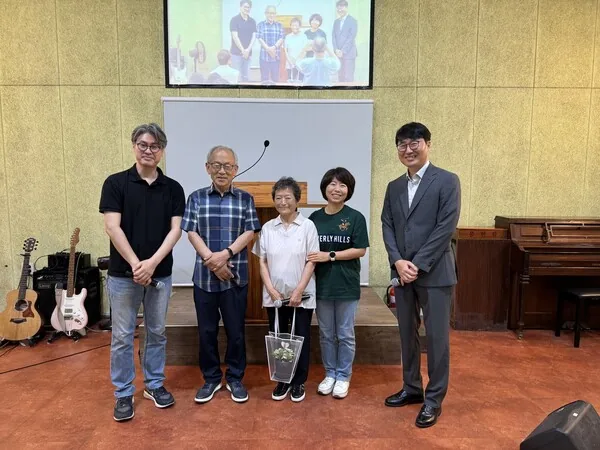
개인적으로는 아내와 함께 어제 새로운 교회에 등록했습니다. 지난 3년 동안 가끔씩 주일에 김포에 있는 <주님의 보배교회> 예배를 참석하곤 했습니다. 그런데 갈 때마다 새로운 손님으로 인사를 하다보니, 친구 장희종 목사님이 좋은 정보를 주었습니다. 일단 교회에 등록하면 일 년에 두 세차례만 나와도 소개 순서가 없다는 사실을, 실례를 들어주면서 우리를 설득했습니다. 게다가 서강대 철학과 석좌교수이면서 미국 칼빈대학교 교수인 강영안 장로님의 북토크 “생각한다는 것”(두란노) 때문에 어쨌든 다음 한 주일 더 나가야 하는데 아예 등록을 하면 새가족 선물(?)까지 받을 수 있다고 했습니다. 그래서 농담처럼 시작한 이야기가 현실이 되어서, 코로나 이후에 4년 동안 주로 온라인 영상예배를 드리다가 오프라인 출석교회를 정한 것입니다.
사실 <주님의 보배교회>는 저희에게 낯선 교회는 아닙니다. 8년의 유학을 마치고 장승배기에서 제가 처음 개척했던 두레교회에 그 뿌리가 있기 때문입니다. 1986년에 상도동 장승배기에서 첫 시작을 해서, 2년 반만에 분립개척한 것이 정릉의 탄포리교회인데(지금은 방학동에 위치한 나눔교회라는 새 이름으로 불림), 그후 두레교회 설립 20주년 기념으로 김포에 설립한 교회가 <주님의 보배교회>이고, 다음 주일은 설립 18주년이 됩니다. 그리고 몇 년 전에 우리 학교에서 가까운 전철 삼송역 부근에 위치한 <하나두레교회>가 있지만, 가깝다는 것은 지리적인 의미만이 모두가 아닙니다. 김포에 있는 주님의 보배교회는 친구가 있는 동시에 첫 두레교회 시절의 청년들이 장로 권사가 되어 있다 보니 특별했습니다. 결국 두레교회 1, 2대 담임목사가 모두 함께 같은 교회에 예배하는, 날마다 우리를 새롭게 하시는 하나님 때문에, 새로운 일이 시작되었습니다.
바로 다음 날인 월요일에는 교회 단톡에 초대되어 구역장을 비롯해서 성도들의 열렬한 환영 인사를 받기도 하고 담임 목사님께서 새가족 심방을 오시겠다고 합니다. 성도가 서로 교제하는 일은 지역교회에 소속이 되어야 정상적입니다.
Around the solar term of Chuseo (the End of Heat), a fresh breeze began to blow. Just as the stirring croak of frogs heralds Gyeongchip (Awakening of Insects) in early spring, I marveled once again at how that sweltering summer wind transformed right on cue with the arrival of Chuseo. From that very night, it grew pleasantly cool enough to turn off the air conditioner, open the windows, and fall asleep. Perhaps it is because we are in Goyang, Gyeonggi Province, rather than the bustling heart of Seoul. Or could it be thanks to the refreshing, verdant campus setting of Ezra Bible Graduate University? Thanks to the founder couple, Mrs. Jeong-ran Baek and her husband, who planted and nurtured trees here forty to fifty years ago, the Ezra campus—and especially the view from our home in Room 303 of the New Hall—looks out onto a lush, dense forest. Awakening to the chorus of cicadas throughout the day and the early morning melodies of birds, Ezra feels like a serene retreat in Southern Europe.
Although classes are held with the air conditioning running in every room, we have embarked on a fresh start for the second semester with a total of 65 students: 33 first-years, 21 second-years, and 11 doctoral students. Aside from the mid-term breaks—the first week of May containing Children's Day in the spring, and the week of Chuseok in the autumn—classes run without a single day off during statutory holidays throughout the entire fifteen weeks. This is thanks to our truly dedicated professors and a cherished tradition at Ezra spanning the past thirty years. Our institution is not an ordinary seminary. Rather than merely teaching theology to train ordained ministers, we teach the Bible itself to those who love God's Word, which is why we are called "Ezra Bible Graduate University." For those holding a bachelor's degree who enroll, it is an exceptionally rare school—not only in Korea, but across the entire world—committed to teaching all sixty-six books of the Bible, book by book and chapter by chapter.
On a personal note, my wife and I registered as members of a new church yesterday. Over the past three years, we had occasionally attended Sunday worship at the "Lord's Treasure Church" in Gimpo. Yet each time we visited, we were introduced as newcomers. Seeing this, my dear friend Pastor Hee-jong Jang offered a helpful tip. He persuaded us with practical examples, explaining that once registered, we would not have to go through the public introduction routine even if we only attended two or three times a year. Moreover, we were planning to attend the following Sunday anyway for a book talk on Thinking (Duranno) by Elder Young-an Kang—Chair Professor of Philosophy at Sogang University and Professor at Calvin University in the United States. Pastor Jang jokingly added that if we registered in advance, we might even receive a welcome gift for new members. What started as lighthearted banter soon became reality: after four years of largely attending online video services following the pandemic, we finally chose an in-person church home.
In truth, the Lord's Treasure Church is hardly unfamiliar to us. Its heritage traces back to Dure Church, which I planted in Jangseungbaegi after completing eight years of study abroad. That journey began in 1986 in Jangseungbaegi, Sangdo-dong; just two and a half years later, we planted Tanpori Church in Jeongneung (now known as Nanum Church in Banghak-dong). Subsequently, in celebration of Dure Church’s 20th anniversary, the Lord's Treasure Church was planted in Gimpo, and this coming Sunday marks its 18th anniversary. While Hanadure Church is also located nearby near Samsong Station close to our campus, "closeness" involves far more than mere geographic distance. The Lord's Treasure Church in Gimpo was special because my dear friend was there, and the young people from my days at the first Dure Church are now serving as elders and senior deaconesses. In the end, because of our God who makes all things new each day, the first and second senior pastors of Dure Church now worship together under one roof, and a whole new chapter has begun.
The very next day, on Monday, I was invited to the church's group chat, receiving a heartwarming welcome from the parish leaders and congregants, and the senior pastor shared his intention to visit us for a new family pastoral call. True fellowship among believers only flourishes when rooted in belonging to a local church.
Rondom die sonkragseisoen van Chuseo (die Einde van die Hitte) het 'n vars briesie begin waai. Net soos die ontroerende paddakoor in die vroeë lente Gyeongchip (die Ontwaking van Insekte) aankondig, was ek opnuut verwonderd oor hoe daardie snikhete somerwind presies met die aanbreek van Chuseo verander het. Van daardie einste aand af het dit so verfrissend afgekoel dat 'n mens die lugversorger kon afskakel, die vensters oopmaak en heerlik kon slaap. Miskien is dit omdat ons ons hier in Goyang, Gyeonggi-provinsie, bevind en nie in die besige hartjie van Seoel nie. Of dalk is dit te danke aan die aangename, natuurlike kampusomgewing van die Ezra Bybelse Nagraadse Universiteit? Te danke aan die stigterspaar, mev. Jeong-ran Baek en haar man, wat veertig tot vyftig jaar gelede hier bome geplant en versorg het, is die uitsig vanaf die Ezra-kampus—veral vanuit ons woning in Kamer 303 van die Nuwe Gebou—soos 'n welige, digte woud. Om heeldag deur die geruis van sonbesies en douvoordag deur voëlgesang gewek te word, laat Ezra soos 'n ontspanne vakansieoord in Suid-Europa voel.
Hoewel klasse natuurlik met lugversorging in elke lokaal plaasvind, het ons die tweede semester met 'n vars begin aangepak met altesaam 65 studente: 33 eerstejaars, 21 tweedejaars en 11 doktorale kandidate. Buiten die tussenpose—die eerste week van Mei wat Kinderdag insluit in die lente, en die week van Chuseok in die herfs—gaan die klasse vir vyftien weke lank voort sonder om 'n enkele openbare vakansiedag af te neem. Dit is voorwaar te danke aan ons pligsgetroue dosente en 'n trotse tradisie wat Ezra die afgelope dertig jaar opgebou het. Ons instelling is nie 'n gewone kweekskool nie. In plaas daarvan om bloot teologie te doseer ten einde predikante op te lei, onderrig ons die Bybel self aan diegene wat die Woord liefhet; daarom heet ons die "Ezra Bybelse Nagraadse Universiteit." Vir diegene wat met 'n baccalaureusgraad inskryf, is dit 'n uitsonderlike instelling—nie net in Suid-Korea nie, maar wêreldwyd—wat al 66 Bybelboeke boek vir boek en hoofstuk vir hoofstuk nougeset behandel.
Op 'n persoonlike noot het ek en my vrou gister by 'n nuwe gemeente aangesluit. Die afgelope drie jaar het ons af en toe die Sondagdienste by die "Here se Skat-gemeente" (Juinimui Bobae-kerk) in Gimpo bygewoon. Aangesien ons egter telkens as nuwe besoekers verwelkom is, het my vriend, pastoor Hee-jong Jang, ons goeie raad gegee. Hy het ons met praktiese voorbeelde oortuig dat 'n mens, sodra jy amptelik as lidmaat registreer, nie meer elke keer in die openbaar voorgestel word nie, selfs al daag jy slegs twee of drie keer per jaar op. Boonop sou ons die daaropvolgende Sondag in elk geval weer daar wees vir 'n boekbespreking oor Om te Dink (Duranno) deur ouderling Young-an Kang—leerstoelprofessor in filosofie aan Sogang Universiteit en professor aan Calvin Universiteit in die VSA. Pastoor Jang het skertsend bygevoeg dat as ons dadelik aansluit, ons dalk selfs 'n welkomsgeskenk vir nuwe lidmate sou ontvang! Wat as 'n grappie begin het, het toe werklikheid geword: ná vier jaar waarin ons sedert die pandemie hoofsaaklik aanlyn video-eredienste gevolg het, het ons uiteindelik 'n plaaslike tuisgemeente gekies.
Om die waarheid te sê, is die Here se Skat-gemeente glad nie vir ons 'n vreemde plek nie. Die wortels daarvan lê immers in Dure Gemeente, wat ek self in Jangseungbaegi geplant het ná agt jaar se buitelandse studie. Daardie reis het in 1986 in Jangseungbaegi, Sangdo-dong, begin; net twee en 'n half jaar later het ons Tanpori-gemeente in Jeongneung as dogtergemeente geplant (vandag bekend as Nanum-gemeente in Banghak-dong). Later, ter viering van Dure Gemeente se 20-jarige bestaan, is die Here se Skat-gemeente in Gimpo gestig, en eerskomende Sondag vier hulle hul 18-jarige bestaan. Hoewel Hanadure-gemeente 'n paar jaar gelede naby Samsong-stasie naby ons kampus opgerig is, behels ware "nabyheid" veel meer as bloot aardrykskundige afstand. Die Here se Skat-gemeente in Gimpo was besonder spesiaal omdat my vriend daar dien en die jongmense uit die vroeë dae van Dure Gemeente vandag as ouderlinge en diakonesse leiding neem. Op die ou end, danksy God wat ons elke dag nuut maak, aanbid die eerste en tweede leraars van Dure Gemeente nou saam in dieselfde kerk, en 'n wonderlike nuwe hoofstuk het aangebreek.
Die einste volgende dag, op Maandag, is ek dadelik na die gemeente se kletsgroep genooi, waar wyksleiers en lidmate ons hartlik verwelkom het, en die leraar het aangedui dat hy graag vir 'n nuwe lidmaat-huisbesoek wil kom kuier. Ware onderlinge gemeenskap tussen gelowiges kan immers slegs tot sy volle reg kom wanneer 'n mens waarlik aan 'n plaaslike gemeente behoort.