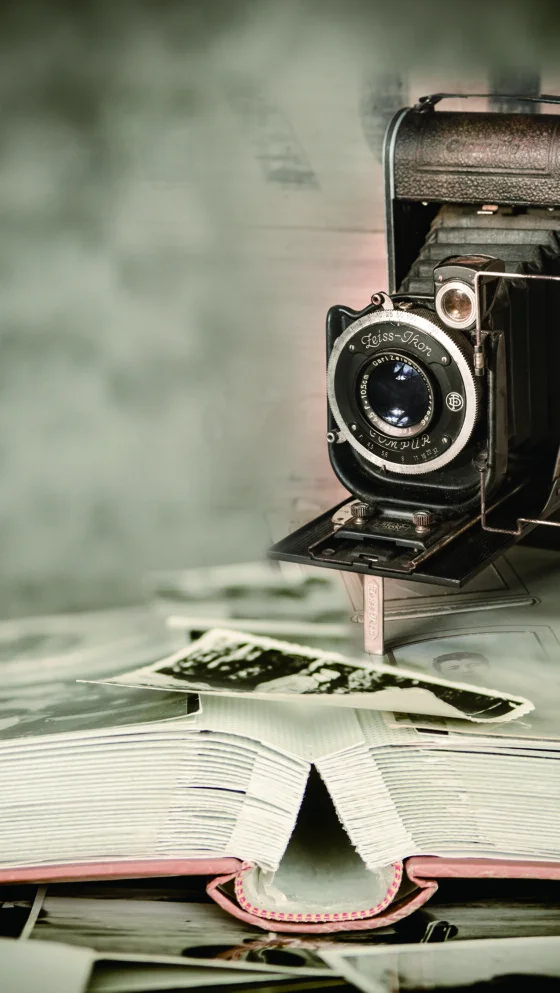
에디스 쉐이퍼 여사가「가정이란 무엇인가」라는 책에서“가정은 추억의 박물관이다.”라고 말합니다. 박물관이란 보존할만한 가치가 있는 것들을 모아서 보존하는 곳입니다. 미술박물관, 자연사박물관, 해상박물관 등이 있지요. 가정이란 추억의 박물관 역시 잊히지 않는 삶의 추억들이 모아지고 보존되는 곳입니다. 제가 서울에 있을 때 중학교에서 집단 상담을 한동안 했었는데, 프로그램 가운데 ‘살아오면서 가장 슬펐던 일, 가장 기뻤던 일들’을 나누는 시간이 있었습니다. 거의 빠짐없이 모든 아이들이 가족관계 가운데에서 있었던 일들을 말해서 인상적이기도 했습니다. 그만큼 가족에 관한 기억들이 우리에게는 소중한 추억이 되니 말입니다.
대구에 사는 큰 동생의 홈페이지에는 가족게시판이 있어서 우리 오남매가 수시로 들락거리며 서로 교제를 나눕니다. 얼마 전에는 동생이 렌더링 프로그램으로 옛날 우리가 살던 봉산동 집을 그리는데 아예 집을 짓다시피 하면서 여러 가지 옛 추억들이 속속 올라오고 있지요. 기억을 따라 그리는 것이라 잘못된 정보가 있으면 동생들이 너도나도 수정을 해줘가면서 말입니다. 큰동생이 그 집에 대해 올린 글을 읽어보면서 추억을 되살려봅니다.
봉산동에 있던 그 집에는 변솟간 옆에 손바닥만한 정원이 있고 거기 백일홍과 금잔화, 맨드라미가 몇 포기 심어져 있다. 그리고 그 곁에 짠내와 퀴퀴한 냄새를 풍기는 큼지막한 간장독들이 여럿 있다. 간장을 새로 담기 전 빈 독 속에 상체를 들이밀고 말을 건네면 거대한 동굴에서 들려오는 듯한 메아리가 반향이 되어오곤 한다. 그 곁에는 수돗가가 있고 수돗가 앞에는 철봉이 있다. 철봉대는 중학교 입시 체력장에서 턱걸이 점수가 한없이 낮은 나를 위해 턱걸이 연습하라고 아버지가 만들어주신 것이다. 그리고 그 곁에 부엌이 있고, 그 곁으로 건넌방, 마루, 안방이 이어지고 왼쪽으로 기역자로 꺾어진 곳에 문간방이 있다.
그리고 대문 곁 담벼락 아래에는 좁은 마당을 반쯤이나 차지한 길쭉한 꽃밭이 있다. 유난히 새와 꽃을 좋아하시던 어머니의 꽃밭에는 한겨울을 제외하고는 내내 꽃이 지는 날이 없었다. 담벼락을 휘감은 줄장미와 여자(또는 여주라고도 한다. 넝쿨 식물로 열매가 익으면 달짝지근한 맛이 나는 속을 먹는다), 왼쪽 문 곁에 요염한 자태를 뽐내는 시원한 잎의 홍초 두어 포기, 그리고 맨드라미, 분꽃, 유도화, 배롱나무라고도 불리는 백일홍, 석류, 옥잠화, 접시꽃, 장미, 봉숭아와 채송화들이 사시사철 형형색색의 꽃들을 피워냈다. 그러나 어머니는 목련과 작약을 가꿀 수 없어 늘 그 부분을 아쉬워 하셨다. 작약이 으뜸인데…. 그러나 그건 공무원 하시는 아버지의 박봉으로는 살 수 없는 너무 비싼 나무였다.
우리는 그 집에서 오륙년쯤을 살았다. 거기서 늦둥이로 태어난 막내 동생이 다섯 살쯤 되던 해에 이사를 갔으니. 그 뒤 지금은 남구청으로 바뀐 봉덕동의 대성공고 뒤로, 공무원 아파트로 우리는 이사를 다녔다. 갈수록 가세는 기울면서 말이다. 그러니까 그 봉산동 집에서 우리는 가장 행복했던 어린 시절을 보냈다. 가을이 문턱에 다가오면 바글바글하던 채송화 씨앗을 받아 종이 봉지에 고이 접어 보관하던 기억, 여주가 익으면 그걸 먼저 따먹으려고 기회만 엿보며 때로는 마지막 여주를 동생들에게 빼앗겨 골통을 부리던 기억, 봉숭아꽃을 이겨 백반과 함께 봉숭아 이파리로 손톱에 감아 하룻밤을 자고 나면 누나와 어머니와 여동생의 손톱은 고운 주홍빛으로 물들던 그 주홍 빛깔의 기억들. 고만 고만한 동네 꼬마들이 구슬치기며 잣치기를 하며 헤헤거리다가 어느 순간 원수처럼 싸우고는 다음날 또 언제 그랬냐는 듯 “머시기야 놀자.” 하며 문 앞을 기웃거리고, 그러면 우리는 친구가 어쩌는지 보려고 못 들은 척 한참을 꾸물대다가 마지못한 듯 문을 따주던 그 새콤한 기억들이 몸을 간지른다.
가난했지만 그 아름답고 행복했던 시절들을 떠올리면 슬그머니 입가에 미소가 피어나지요. 이제 KTX덕분에 서울길이 두 시간 남짓밖에 걸리지 않아 무척 빨라지기도 또 편리해지기도 했지만 고향이나 어린 시절의 추억들은 고스란히 책갈피 단풍나무 잎처럼 예쁘게 간직되고 있나봅니다. 그래서 역시 가정은 추억의 박물관입니다. 훗날 그 박물관에 반짝반짝 빛날 추억들이 지금도 수집되고 있습니다. 아시죠? 박물관이라고 모든 것을 다 보관할 수는 없습니다. 그래서 모아지는 소장품이 아름다운 것, 가치 있는 것, 기념할 만한 것들이면 더 좋겠습니다.
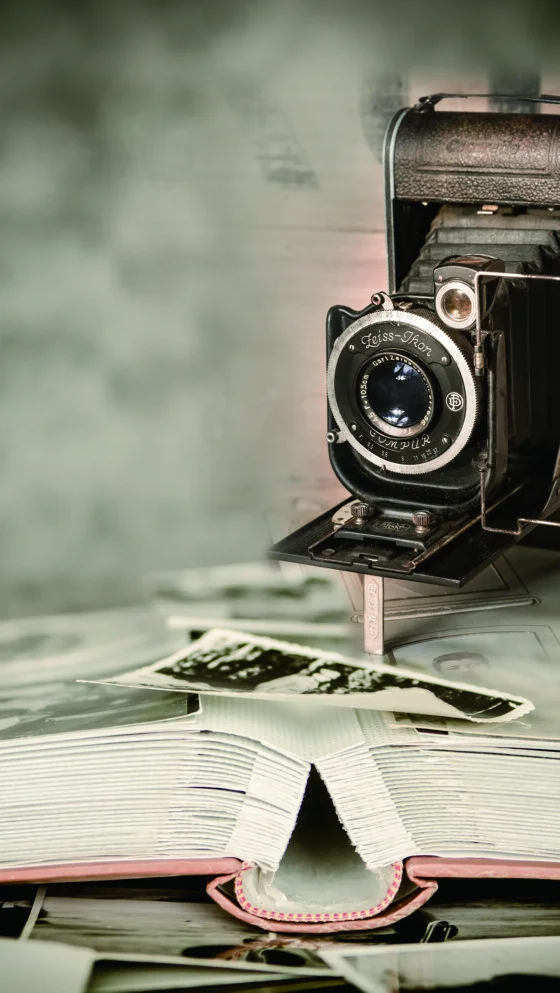
In her book What Is a Family?, Edith Schaeffer writes, “A family is a museum of memories.” A museum is a place that gathers and preserves things of lasting value. We have art museums, natural history museums, maritime museums, and so on. The family, as a museum of memories, is likewise a place where unforgettable memories of life are gathered and treasured. When I lived in Seoul, I led group counseling sessions at a middle school for some time. One of the activities in the program was a time to share “the saddest and happiest moments of your life.” Almost without exception, every child spoke of moments rooted in family relationships, which left a deep impression on me. That is how precious our family memories truly are.
My younger brother in Daegu has a family message board on his homepage, and we five siblings drop in frequently to catch up. Recently, he has been using a 3D rendering program to model our old childhood home in Bongsan-dong—practically rebuilding it from the ground up—and a flood of old memories has been resurfacing. Since he is drawing purely from memory, whenever something looks slightly off, the rest of us jump in to chime in with corrections. Reading the post my brother wrote about that house brings those memories alive again:
In that house in Bongsan-dong, right beside the outhouse, lay a tiny garden no bigger than the palm of a hand, where a few stems of zinnia, marigold, and cockscomb were planted. Beside it stood several large soy sauce crocks exuding their salty, pungent aroma. Before refilling them with new soy sauce, if you leaned your upper body into an empty crock and called out, your voice echoed back as if from a vast cavern. Beside that was the outdoor water tap, and right in front of it stood a pull-up bar. Father had made that chin-up bar for me so I could practice, after seeing my dismal pull-up score on the middle school entrance physical exam. Next to that was the kitchen, leading into the across-room, the wooden-floored hall, and the master bedroom; bending around in an L-shape to the left was the room beside the front gate.
Beneath the outer wall next to the main gate stretched a long flower bed that took up almost half the narrow courtyard. Mother, who loved birds and flowers dearly, kept that flower bed in constant bloom all year round, except in the dead of winter. Climbing roses entwined around the wall alongside balsam apples (also called bitter gourd, a climbing vine whose sweet inner pulp you eat once the fruit ripens); two clumps of canna lilies proudly displaying their lush leaves by the left gate; and cockscombs, four o'clocks, oleanders, crape myrtles (also called hundred-day reds), pomegranates, plantain lilies, hollyhocks, roses, garden balsams, and moss roses—blossoming in an array of brilliant colors throughout the seasons. Yet Mother always lamented that she could never cultivate magnolias and tree peonies. “Tree peonies are the queen of flowers…,” she would say. But on Father's meager salary as a civil servant, they were simply too expensive a luxury.
We lived in that house for about five or six years. We moved away around the time our youngest sibling, born there as a late baby, turned five. Afterward, we moved from one civil servant apartment to another—first behind Daeseong Technical High School in Bongdeok-dong, which has now become the Nam-gu District Office. With each move, our family finances grew leaner. In truth, our happiest childhood years were spent in that Bongsan-dong house. I remember gathering the abundant seeds of moss roses as autumn approached, carefully folding them into little paper packets; keeping a watchful eye for a ripening balsam apple to pick it first, only to throw a tantrum when my younger siblings beat me to the last one; and the deep orange memories of pounding garden balsam petals with alum and wrapping them around our fingernails with leaves overnight, waking up to find my older sister's, mother's, and younger sister's nails dyed a lovely, brilliant orange. And then there were the neighborhood kids of our size, giggling over games of marbles and jatchigi (stick-hitting), suddenly fighting like bitter enemies, only to wander back the next morning as if nothing had ever happened, calling outside the gate, “Hey, come out and play!” How ticklish it feels to remember how we would drag our feet and pretend not to hear just to see what our friend would do, before finally opening the gate as if giving in.
Even though we were poor, a gentle smile steals across my face whenever I look back on those beautiful and joyful days. Nowadays, thanks to the KTX, the trip to Seoul takes barely two hours—travel has become so fast and convenient—yet the memories of our hometown and childhood seem lovingly preserved, just like pressed maple leaves between the pages of a favorite book. Truly, the family is a museum of memories. Even now, precious memories that will one day sparkle in that museum are being collected. And as you know, no museum can keep everything. That is why it would be wonderful if the collection we gather consists of things that are beautiful, worthy, and truly meaningful to remember.
In haar boek Wat Is 'n Gesin? skryf mev. Edith Schaeffer: “'n Gesin is 'n museum van herinneringe.” 'n Museum is 'n plek waar dinge wat die moeite werd is om te onthou, versamel en bewaar word. Daar is immers kunsmuseums, natuurhistoriese museums, maritieme museums, en vele meer. Net so is die gesin as museum van herinneringe 'n plek waar onvergeetlike lewensherinneringe byeengebring en gekoester word. Toe ek in Seoel gewoon het, het ek 'n tyd lank groepberading by 'n hoërskool gedoen. Een van die sessies in die program was 'n geleentheid om “die hartseerste en vreugdevolste oomblikke van jou lewe” te deel. Byna sonder uitsondering het al die kinders stories vertel wat diep in hul gesinsverhoudings gewortel was, en dit het 'n blywende indruk op my gemaak. So kosbaar is herinneringe aan ons gesin immers vir ons.
My jonger broer in Daegu het 'n gesinsboodskapbord op sy webwerf, en ons vyf broers en susters wip gereeld daar in om met mekaar te gesels. Onlangs het hy 'n 3D-ontwerpprogram gebruik om ons ou kinderhuis in Bongsan-dong uit te teken—hy het dit feitlik van voor af opgebou—en allerhande ou herinneringe het een na die ander na vore gekom. Omdat hy suiwer uit sy geheue teken, spring die res van ons dadelik in om regstellings te maak as iets nie heeltemal klop nie. Terwyl ek lees wat my broer oor daardie huis geskryf het, herleef ek daardie kosbare tye:
In daardie huis in Bongsan-dong was daar reg langs die buitetoilet 'n tuintjie so groot soos 'n handpalm, waar 'n paar jakobregops, goudsbloeme en haankamme gestaan het. Langsaan het 'n hele ry groot sojasouspotte gestaan wat 'n sout, bedompige reuk versprei het. Voor nuwe sojasous ingegooi is, kon jy jou bolyf in so 'n leë pot druk en roep, en dan het jou stem soos 'n eggo uit 'n reusegrot weergalm. Daarneem was die buitekraan, en voor die kraan het 'n optrekstang gestaan. My pa het daardie rekstok self gemaak sodat ek kon oefen, nadat ek so 'n rampspoedige lae punt vir die optrektoets by die toelatingseksamen gekry het. Daarneffens was die kombuis, wat aangesluit het by die oorkantste kamer, die houtportaal en die hoofslaapkamer; links daarvan, met 'n L-draai, was die hekkamer.
En onder die muur langs die hoofhek was daar 'n langwerpige blombedding wat byna die helfte van die nou binnehof beslaan het. My ma, wat buitengewoon lief was vir voëls en blomme, het gesorg dat daar, behalwe in die diepste winter, altyd blomme in daardie tuin geblom het. Klimrose wat teen die muur opgerank het saam met balsemappels (ook genoem bitterkomkommer, 'n rankplant waarvan jy die soeterige binneste pulp eet wanneer die vrug ryp is); twee koringlelies met welige blare wat grasieus by die linkerhek gepronk het; en haankamme, mirabilis, selonsrose, mirtebome (honderddaagse rooi), granate, hartlelies, stokrose, gewone rose, balsemiene en pypies het seisoen na seisoen in 'n reënboog van kleure gepronk. Tog het dit my ma altyd hartseer gemaak dat sy nie magnolias en pioene kon kweek nie. “Pioene is die heel mooiste blomme…,” het sy altyd gesê. Maar op die karige salaris van my pa as staatsamptenaar was dit bome wat ons eenvoudig nie kon bekostig nie.
Ons het sowat vyf of ses jaar in daardie huis gewoon. Ons het getrek toe die jongste laatlammetjie, wat daar gebore is, omtrent vyf jaar oud was. Daarna het ons van die een staatsamptenaar-woonstel na die ander getrek—eers agter die Daeseong Tegniese Hoërskool in Bongdeok-dong, wat nou die Nam-gu-distrikskantoor is. Met elke trek het ons gesin se finansiële las swaarder geword. Ons gelukkigste kinderjare het ons dus in daardie Bongsan-dong-huis deurgebring. Ek onthou nog goed hoe ons teen die herfs die volop saadjies van die pypies versamel en versigtig in papiersakkies gevou het; hoe ons fyn dopgehou het wanneer 'n balsemappel ryp word om dit eerste te pluk, en hoe ek woedend sou wees as my jonger sibbes die heel laaste een voor my neus weggeraap het; en die helder oranje herinneringe waar ons balsemienblomme fyngevryf het saam met aluin en dit met blare om ons vinger naels gedraai het vir die nag, sodat my ouer suster, ma en jonger suster die volgende oggend met pragtige, oranjerooi naels wakker geword het. En hoe die buurtkinders van min of meer dieselfde ouderdom eers lekker saam albasters en kolfie gespeel het, skielik soos doodsvyande baklei het, net om die volgende oggend weer voor die hek te kom loer asof niks gebeur het nie: “Haai, kom speel!” Dit kielie 'n mens se hart as jy dink hoe ons eers lank gemaak het of ons nie hoor nie, net om te kyk wat ons maatjie sou doen, voor ons uiteindelik die hek oopgemaak het asof ons maar moes toegee.
Al was ons arm, bring die gedagte aan daardie pragtige, gelukkige dae vanself 'n glimlag om my lippe. Vandag neem die rit na Seoel danksy die KTX skaars twee uur—alles het soveel vinniger en geriefliker geword—maar die herinneringe aan ons tuisdorp en kinderdae bly net so mooi bewaar soos 'n gedroogde esdoringblaar tussen die bladsye van 'n boek. Daarom is die gesin waarlik 'n museum van herinneringe. Selfs nou word daar herinneringe versamel wat eendag helder in daardie museum sal skitter. En soos u weet, kan geen museum álles bewaar nie. Daarom sou dit so wonderlik wees as die versameling wat ons opbou, bestaan uit dinge wat mooi, waardevol en werklik die onthou werd is.