제주나 강릉도 아니고 갑자기 <동경 한달 살이>를 시작한 것은 동경 비바체교회를 섬기는 손 선교사님이 두 달 말미로 귀국해서 건강검진과 치료를 받는 동안 그 빈자리를 감당하기 위해서 입니다. 전반부를 담당한 현 목사님은 어제 귀국을 했고, 저는 이번 주일부터 4주간 동안 주일 강단을 섬기게 됩니다. 비바체란 ‘생기있게’라는그 본래 의미에다가 “비우고 바라보고 채우는” 새로운 의미를 부여한 교회 이름입니다. 우리에게 일본은 가깝고도 먼 나라가 맞습니다. 지리적으로는 현해탄이라고 부르는 바다를 사이에 두고 있는 가까운 나라입니다. 인천공항에서 일본 나리타 공항까지는 두 시간 남짓 걸립니다. 비행시간보다 각 공항을 오가는 시간을 꼭 포함해서 계산해야 할 것입니다.
공항에 도착하는 순간부터 우리와는 다른 것이 눈에 들어옵니다. 우선 사람들의 모습이, 행동이 다르다는 생각이 듭니다. 하긴 인종적인 차이 보다는 문화적인 차이가 더 크게 다가옵니다. 그래서 옷차림이, 얼굴 표정이, 행동거지가 다르게 느껴집니다. 일본 사람들은 체격부터가 우리와 비슷한 부류의 사람들도 보이고 뭔가 왜소한 체격의 사람들도 있습니다. 길거리에서 만나는 학생들은 그래도 우리보다 싱싱해 보이는데 직장인들은 별로 차이가 없어 보입니다. 미세한 차이는 덜 건강해 보이는 소위 장애인처럼 보이는 이들이 심지어 건축공사현장까지 나름 자기 일을 하고 있다는 사실과 나이가 많으신 분들이 양로원보다는 자기들이 살던 집에서 꽃을 가꾸고 살던 대로 살아가며 거리를 깨끗이 치우고 있다는 것이 달라보였습니다.
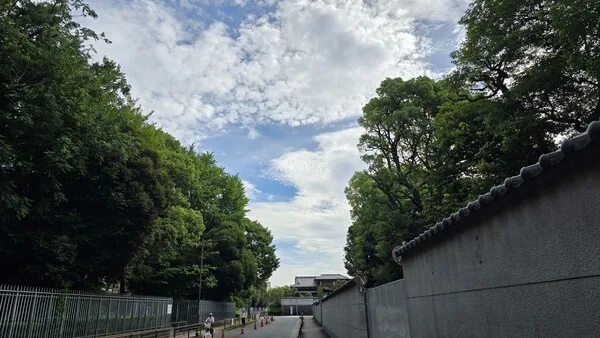
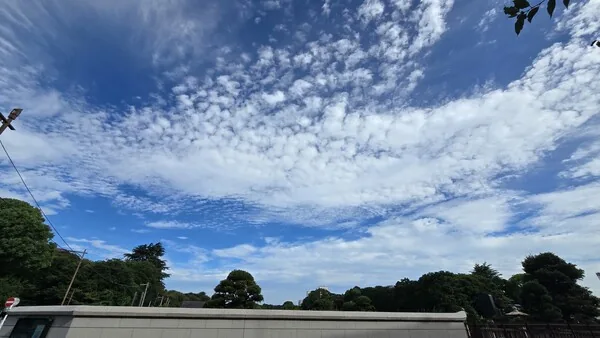
사람들이 여름에 동경으로 간다고 하니 ‘습하고 더운 곳에 가냐’고들 했지만 동경 체류 사흘동안은 한국보다 오히려 더 나은 것 같습니다. 동경에 도착하자마자 들려오는 서울 북부지역의 폭우소식을 들으니, 동경의 푸른 하늘에 한가로운 흰구름을 보며, 우리만 피난 온 곳 같아서 미안하기도 합니다. 동경의 거리는 깨끗하고 경제가 침체라고는 해도 골목마다 공사현장은 조용이 계속되고 있습니다. 가까운 우에노 공원으로 걸어가면서 골목길에 자란 풀이나 심긴 꽃들은 서로 다르지 않습니다. 달개비 꽃도 길가에는 보이고 담장에는 꽃댕강나무도 보이는 것은 한국과 다르지 않습니다. 공원에 가까워지면 아름드리 큰나무의 도열로 인해서 일본의 역사와 공원의 우람함을 떠올리게 됩니다.
집에서 우에노 공원까지 걸어서 2, 30분의 거리, 약 2킬로미터에, 손가락으로 다 헤아릴 수 없는 크고 작은 신사들은 여기가 우상이 많은 섬나라라는 생각을 하게 만듭니다. 그러고 보면 두 나라 사람들의 공통점은 종교심이 많다는 것입니다. 사람들의 종교적 열심이 천지를 지으신 하나님, 역사를 운행하시는 하나님을 향하도록 하는 것은 우리의 사명입니다. “나는 온 세계를 창조한 주인이다. 뿐만 아니라 지금 이 세계에서 일어나는 모든 일도 내가 모조리 일으켜 놓고 있다. 무엇이든지 내가 하려고 마음만 먹으면 그것이 바로 현실이 되어 나타난다. 그러므로 너는 지금 눈에 보이는 세상을 보고 이리저리 흔들리지 말고 오직 나만을 의지하여라. 그러면 내가 네게 응답하고 엄청난 일도 이루어 주겠다. 나는 네가 이제까지 알지도 못하고, 또 전혀 알 수도 없는 큰일들을 네게 보여주겠다.”(렘 33:2~3) 그래서 우리의 기도가 필요합니다 선교사님을 돕기 위해서 왔지만 이 기회에 몸과 마음에는 휴가를 갖는 동시에 영적으로는 일본을 보면서 기도의 지원을 하려고 왔습니다. 이 일에 칼럼을 읽는 여러분이 함께해 주시면 감사하겠습니다.
Rather than Jeju or Gangneung, the reason I suddenly embarked on "Living in Tokyo for a Month" was to fill the vacancy left by Missionary Son, who serves Tokyo Vivace Church, while he returns to Korea for two months for health checkups and treatment. Pastor Hyun, who covered the first half, returned home yesterday, and I will be ministering from the pulpit on Sundays for the next four weeks. In addition to its original meaning of "lively" or "vivacious," "Vivace" was given a new meaning for the church: "Emptying, gazing upon, and being filled." To us, Japan is indeed a close yet distant neighbor. Geographically, it is a nearby country separated only by the sea known as the Korea Strait. It takes just over two hours to fly from Incheon Airport to Narita Airport in Japan. Of course, rather than just the flight duration, one must definitely calculate the time spent traveling to and from each airport.
From the moment I arrived at the airport, things that were different from back home caught my eye. First of all, the people looked and behaved differently. Actually, rather than racial differences, the cultural contrasts struck me more deeply. Because of this, their clothing, facial expressions, and demeanor felt distinct. In terms of physique, some Japanese people looked quite similar to us, while others had noticeably slighter builds. The students I met on the street somehow seemed fresher and more vibrant than ours, whereas the office workers did not appear much different. A subtle difference was that people who appeared less healthy—those with disabilities, so to speak—were steadily doing their own share of work, even at construction sites. Another notable sight was elderly folks who, rather than living in nursing homes, tended flowers in their own homes, continuing their familiar lives while keeping the streets clean and tidy.
When I told people I was heading to Tokyo in the summer, many asked, "Why go to such a humid and sweltering place?" Yet, during my three days here, Tokyo has felt rather pleasant compared to Korea. Upon arriving in Tokyo, I heard news of torrential downpours in the northern regions of Seoul; looking up at Tokyo's azure sky dotted with leisurely white clouds, I felt almost apologetic, as if we alone had escaped to safety. Tokyo's streets are clean, and though the economy is said to be sluggish, quiet construction continues down every alleyway. Walking toward nearby Ueno Park, the grasses growing along the narrow alleys and the planted flowers felt warmly familiar. Seeing Asiatic dayflowers blooming by the roadside and glossy abelia on garden fences felt no different from Korea. As I drew closer to the park, the grand procession of massive, centuries-old trees evoked both Japan's long history and the sheer majesty of the park itself.
From my lodging to Ueno Park is a 20-to-30-minute walk—about two kilometers—and the countless shrines, both large and small, too numerous to count on one's fingers, remind me that this is an island nation steeped in idol worship. In that respect, what the people of both our nations share is a deeply religious nature. Guiding this religious fervor toward the God who created the heavens and the earth, and who governs human history, is our sacred calling. “I am the LORD who made the earth, the LORD who forms it to establish it—the LORD is His name: Call to Me, and I will answer you, and show you great and mighty things, which you do not know.” (cf. Jeremiah 33:2–3). That is why our prayers are so desperately needed. Although I came to assist a missionary, I also came to let my body and mind rest, while spiritually lifting up Japan with prayerful support. I would be deeply grateful if you, the readers of this column, would join me in this endeavor.
Dit was nie Jeju of Gangneung nie, maar die rede waarom ek skielik met "’n Maand lank in Tokio" begin het, was om in te staan vir sendeling Son, wat Tokyo Vivace Gemeente bedien, terwyl hy vir twee maande na Korea terugkeer vir mediese ondersoeke en behandeling. Leraar Hyun, wat die eerste helfte waargeneem het, het gister teruggekeer huis toe, en ek sal die komende vier weke vanaf hierdie Sondag die kansel op Sondae bedien. Benewens die oorspronklike betekenis van "lewendig" of "opgewek", het die gemeente ’n nuwe betekenis aan "Vivace" gegee: "Leegmaak, aanskou en gevul word." Vir ons is Japan inderdaad ’n land wat gelyktydig naby en tog ver is. Geografies gesproke is dit ’n buurland wat slegs deur die seestraat bekend as die Korea-straat geskei word. Dit neem skaars twee uur om van Incheon-lughawe na Narita-lughawe in Japan te vlieg. Natuurlik moet ’n mens die reistyd na en van elke lughawe by die vlugtyd byreken.
Vanaf die oomblik van aankoms by die lughawe het dinge wat van ons s’n verskil, my oog gevang. Eerstens het mense se voorkoms en optrede anders gelyk. Trouens, die kulturele verskille tref ’n mens dieper as die rasverskille. Daarom het hul kleredrag, gesigsuitdrukkings en maniere anders gevoel. Wat liggaamsbou betref, was daar Japannese wat baie soos ons lyk, maar ook ander met ’n ietwat kleiner bouvorm. Die studente wat ek op straat teëgekom het, het selfs varser en meer lewenskragtig as ons s’n gelyk, terwyl die kantoorwerkers nie veel verskil het nie. ’n Subtiele verskil was dat mense wat minder gesond voorgekom het—sogenaamde gestremdes—selfs op bouterreine rustig hul eie werk gedoen het. Daarby het bejaardes, eerder as om in ouetehuise te sit, in hul eie huise gebly, blomme versorg, hul gewone lewens voortgesit en die strate skoongehou.
Toe ek vir mense vertel het dat ek in die somer na Tokio gaan, het baie gevra: "Waarom gaan jy na so ’n klam en snikhete plek?" Tog voel die drie dae van my verblyf in Tokio tot dusver eintlik aangenamer as in Korea. Skaars het ek in Tokio aangekom, of ek het die nuus gehoor van stortreëns in die noordelike dele van Seoel; terwyl ek hier opkyk na Tokio se blou hemel met rustige wit wolke, voel ek byna skuldig, asof net ons na ’n veilige hawe gevlug het. Tokio se strate is silwerskoon, en al sê hulle die ekonomie stagneer, gaan stil bouwerk in elke steeg onverpoos voort. Terwyl ek na die nabygeleë Ueno-park gestap het, was die gras in die stegies en die aangeplante blomme glad nie vreemd nie. Om daglelies langs die pad en glansabelias teen tuinmure te sien blom, is net soos in Korea. Namate ’n mens nader aan die park kom, herinner die indrukwekkende gelid van reusebome jou aan Japan se ryke geskiedenis en die statigheid van die park.
Van my verblyfplek na Ueno-park is dit sowat 20 tot 30 minute se stap—ongeveer twee kilometer—en die ontelbare groot en klein heiligdomme wat jy nie op jou vingers kan tel nie, laat jou besef dat hierdie ’n eilandnasie vol afgode is. As ’n mens daaraan dink, is die een groot ooreenkoms tussen ons twee volke hul diepe godsdienstigheid. Om hierdie godsdienstige ywer te rig op die God wat hemel en aarde geskape het en die geskiedenis bestuur, is ons roeping. “So sê die HERE wat dit doen, die HERE wat dit vorm om dit te bevestig—HERE is sy Naam: Roep My aan, en Ek sal jou antwoord en jou bekend maak groot en ondeurgrondelike dinge wat jy nie weet nie.” (vgl. Jeremia 33:2–3). Daarom is ons gebede so broodnodig. Hoewel ek gekom het om ’n sendeling by te staan, het ek ook gekom om rus vir liggaam en gees te vind, terwyl ek Japan geestelik aanskou en in gebed ondersteun. Ek sal innig dankbaar wees as u, wat hierdie rubriek lees, saam met my in hierdie saak sal staan.