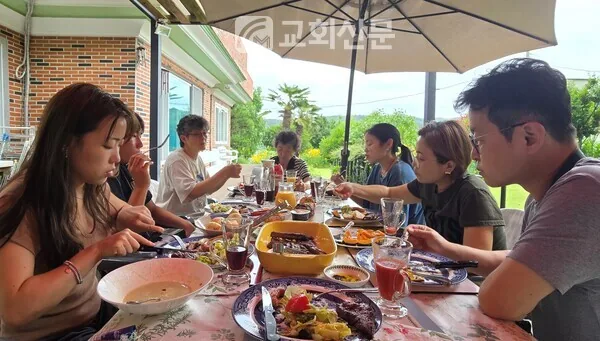
날씨가 따뜻하고 화창한 푸르른 봄날이 시작되는 5월은 ‘가정의 달’이라고 알고 있습니다.
우리가 잘 알고 있는 가정에 관련한 날들을 헤아리면, 5월 5일은 어린이날, 8일은 어버이날, 21일은 부부의 날뿐만 아니라 좀 생소할 수도 있지만, 15일은 세계 가정의 날, 5월 셋째 월요일은 성년의 날까지 5월에는 모든 가족 구성원들을 챙기는 날들이 빼곡히 자리하고 있으니 ‘가정의 달’이라고 말하는 것은 무리가 아닙니다.
특히 올해 아름다운 5월이 거의 마감되는 30일 토요일 밤의 기억을 소환하고 싶습니다.
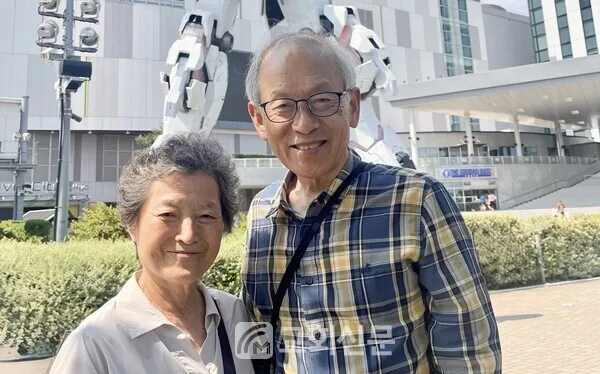
우선 그날 낮에 있었던 일이 먼저 기억납니다. 오래전부터 알았던 젊은 부부인데, 시골 생활을 너무 동경하는 분 들 이어서 지난 4년 우리가 경기도 고양에 가서 있는 동안 이 분들에게 우리 집을 대여하고 가는 일을, 심도 있게 생각하다가 방학에 우리가 오면 머무를 공간이 겹쳐서 포기하고 말았던 가정입니다. 그래서 이제 우리가 다시 내려온 지 일 년도 넘었으니 식사를 함께 하자고 초대를 했습니다.

우리는 아이들이 아직 어리다고 생각해서 당연히 함께 오는 줄 알았습니다. 수년 전에 방문했을 때 정원을 좋아하고 쪼그만 청개구리를 손에 얹고 ‘귀염둥이’라고 부르던 그 꼬마 아가씨를 다시 만날 것이라 생각했지요. 그런데 아뿔싸, 아이들을 집에 두고 부부만 등장했습니다. 아이들을 데리고 오라고 내가 말을 하지 않았으니 그분들로서는 물어볼 수는 없었겠지요.ㅠㅠ 그래도 그동안 서로의 안부를 묻고 아이들 교육에 대한 이야기며 즐거운 시간을 보낼 수 있었습니다.
그리고 그날 저녁에는 우리가 다른 가정의 초대를 받았습니다.
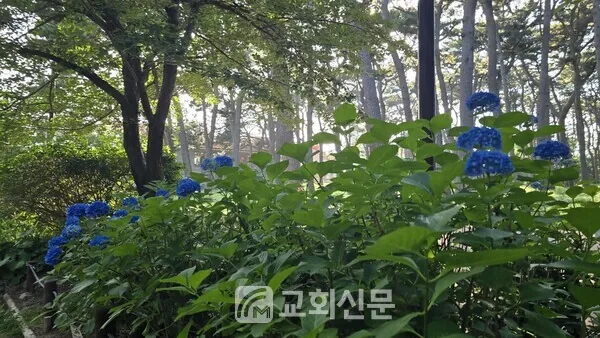
도착해서 비로소 카톡을 보았지만, 받은 카톡 문자보다 놀라웠던 것은 20대 후반이고 공부로 바쁜 두 따님이 그날 저녁식탁을 위해서 달려왔다는 사실입니다.
네, 울산에서는 먼 곳이 틀림없습니다. 첫째 따님은 원주에서, 둘째 따님은 전주에서 대중교통을 이용해서 울산으로 왔으니 4시간, 4시간 반은 걸리는 거리입니다. 그렇다고 대학에는 등록만 해두고 여유롭게 캠퍼스 생활을 즐기는 따님들은 아닙니다. 둘 다 아버지 어머니의 뒤를 이으려는지 치의대를 다니고 있으니 그럴 리 만무합니다. 물론 저녁 식탁을 차리는 일도 어머니와 함께 수고를 했지요. 대학에 다니는 딸들을 집에 손님이 온다고 부른다는 것은 이 시대에 가이 충격적일 만큼 희귀한 일입니다.
그러므로 에디스 쉐퍼 여사가 쓴 책 제목처럼 ‘가정(가족)이란 무엇인가?(What is the family?)’를 우리는 진지하게 물어야 합니다.
한 식탁에 앉아서 밥을 먹으며 초대된 손님들과 대화하면서, 세상을 배우고 삶을 배우는 일은 그 무엇보다 중요하기 때문입니다. 공부, 직장, 돈을 섬기지 않는 가족이 아직도 남아있다는 것을 확인한 가정의 달 5월 마지막 토요일이었습니다.
May, welcoming warm, sunny, and lush spring days, is widely known as the "Month of the Family."
If we count the days dedicated to family life, there is Children's Day on May 5, Parents' Day on May 8, Married Couples' Day on May 21, and though perhaps less familiar, International Day of Families on May 15, as well as Coming-of-Age Day on the third Monday of May. With days honoring every single family member filling the calendar, it is truly fitting to call May the "Month of the Family."
In particular, I would like to recall a memory from Saturday night, May 30, as this year's beautiful month of May drew to a close.
First, what happened earlier that afternoon comes to mind. It was a young couple we have known for a long time. They yearned so deeply for rural country life that while we were living in Goyang, Gyeonggi-do over the past four years, we seriously considered renting our house to them. In the end, we had to give up the idea because where they would stay conflicted with where we needed to stay when returning during university breaks. Since it has now been over a year since we moved back down, we invited them over for a meal together.
Assuming their children were still quite young, we naturally thought they would bring them along. We anticipated seeing that little lady again—the one who, when visiting years ago, adored our garden, gently held a tiny tree frog on her palm, and called it "cutie." Alas, only the husband and wife arrived, having left the children at home. Since I had not explicitly told them to bring the kids, I suppose they felt hesitant to ask. Still, we caught up on each other’s lives, shared stories about raising children, and enjoyed a wonderful time together.
Then that evening, we were invited to the home of another family.
I only checked my KakaoTalk messages after arriving, but far more astonishing than any text was the fact that their two daughters—both in their late twenties and deeply immersed in their studies—had hurried all the way home just for that dinner.
Indeed, it is certainly a long way from Ulsan. The eldest daughter came from Wonju and the second daughter from Jeonju via public transit, each taking four to four and a half hours. Nor are they daughters who merely register for university classes and leisurely enjoy campus life. Both are attending dental school, seemingly following in their parents' footsteps, so being idle is entirely out of the question. Naturally, they also worked diligently alongside their mother to prepare the evening table. Calling college daughters home simply because dinner guests are visiting is almost shockingly rare in this day and age.
Therefore, just as in the title of the book written by Edith Schaeffer, we must earnestly ask: "What is a family?"
For nothing is more important than sitting together at one table, sharing a meal, conversing with invited guests, and learning about the world and about life. It was the final Saturday of May, the Month of the Family—a day that affirmed for me that there are still families who do not worship academic prestige, careers, or money.
Meimaand, wanneer warm, sonskynryke en welige lentedae begin, staan algemeen bekend as die "Maand van die Gesin."
As ons die dae tel wat aan die gesin gewy is: 5 Mei is Kinderdag, 8 Mei is Ouersdag, 21 Mei is Huweliksdag, en hoewel dit dalk effens onbekend klink, is 15 Mei die Internasionale Dag van Gesinne, en die derde Maandag van Mei is Mondigwordingsdag. Aangesien Meimaand propvol dae is wat aan elke gesinslid aandag gee, is dit geensins oordrewe om dit die "Maand van die Gesin" te noem nie.
Ek wil veral die herinnering oproep aan die Saterdagaand van 30 Mei, toe hierdie jaar se pragtige Meimaand byna tot ’n einde gekom het.
Eers kom die gebeure van daardie middag by my op. Dit was ’n jong egpaar wat ons al jare lank ken; hulle het so intens na die plattelandse lewe verlang dat ons, gedurende die vier jaar wat ons in Goyang, Gyeonggi-do gewoon het, dit ernstig oorweeg het om ons huis aan hulle te verhuur. Uiteindelik moes ons die plan laat vaar omdat die tye wanneer ons tydens universiteitsvakansies sou terugkom, sou bots. Noudat dit al meer as ’n jaar is sedert ons teruggetrek het, het ons hulle vir ’n ete genooi.
Omdat ons gedink het die kinders is nog klein, het ons vanselfsprekend verwag dat hulle saam sou kom. Ons het gedink ons sou daardie klein dogtertjie weer ontmoet wat jare gelede tydens ’n besoek so baie van die tuin gehou het, ’n klein boompaddatjie op haar handjie laat sit het en dit "ou outjie" genoem het. Maar helaas, net die egpaar het opgedaag en die kinders by die huis gelos. Omdat ek nie uitdruklik gesê het dat hulle die kinders moes saambring nie, kon hulle sekerlik nie sommer vra nie. Nietemin kon ons mekaar se welstand verneem, oor die opvoeding van die kinders gesels en ’n heerlike tyd saam deurbring.
En daardie aand was ons genooi na ’n ander gesin se huis.
Ek het eers die KakaoTalk-boodskappe gesien nadat ons daar aangekom het, maar veel meer verrassend as enige teksboodskap was die feit dat hul twee dogters—albei in hul laat twintigs en besig met veeleisende studies—spesiaal vir daardie aandete huis toe gehaas het.
Ja, dit is beslis ver van Ulsan af. Die oudste dogter het van Wonju af gekom en die tweede dogter van Jeonju met openbare vervoer, wat vier tot vier en ’n half uur duur. Hulle is ook nie dogters wat net formeel by die universiteit ingeskryf is en die studentelewe rustig geniet nie. Albei studeer tandheelkunde, blykbaar om in hul ouers se voetspore te volg, so ledigheid is heeltemal buite die kwessie. Vanselfsprekend het hulle ook hard saam met hul ma gewerk om die etenstafel voor te berei. Om studerende dogters huis toe te roep bloot omdat daar gaste kom kuier, is in hierdie era byna skokkend seldsaam.
Daarom moet ons, net soos in die titel van Edith Schaeffer se boek, ernstig vra: "Wat is ’n gesin?"
Want niks is belangriker as om saam om een tafel te sit, ’n maaltyd te deel, met genooide gaste te gesels, en oor die wêreld en die lewe te leer nie. Dit was die laaste Saterdag van Mei, die Maand van die Gesin—’n dag wat bevestig het dat daar steeds gesinne oor is wat nie akademiese prestasie, ’n loopbaan of geld aanbid nie.