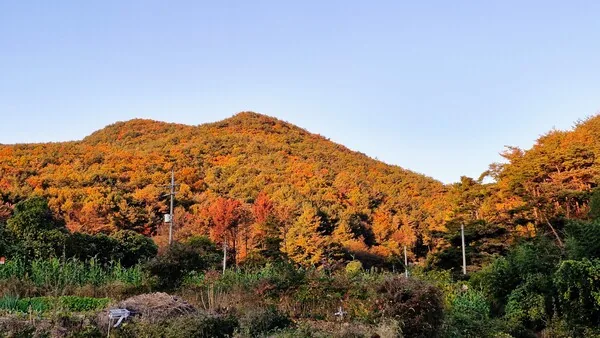
요즈음은 목발 하나를 의지해서 두산리 들판길을 매일 걷습니다. 기본 멤버는 나와 아내, 그리고 처제 모두 3명이지만, 매주 토요일은 정기적으로 4명이 걷습니다. 우리 앞집에 살고 계신 남부교회 손 집사님이 함께 걷습니다. 주중에는 직장에 가야하기 때문입니다. 그러나 요즈음 와서 일상을 깨뜨리는 손님들이 주중에 오기도 합니다. 어떤 날은 3 사람이 1 박을 하고 뒷날 아침 산책에 동행하기도 하고, 최근 들어서는 아침 7시 출발시간에 맞춰서 시내에서 들어오시는 분이 산책에 동행하기도 합니다. 지난 월요일에는 울산 시티센터교회 신 목사님이 아침 7시에 오셨습니다. 길을 오가며 대화를 나누기도 하지만, 한 시간 산책 후 집에 와서 커피를 마시면서도 이런 저런 이야기가 자연스럽게 오갑니다
그 때 나왔던 주제 가운데 하나를 오늘 나누고 싶습니다. 그것이 바로 담임목사 신임투표에 관한 것입니다. 먼저 청빙투표를 생각해 보면, 일련의 과정을 거쳐서 담임 목사 후보가 한 사람 정해지면 그를 두고 모든 세례교인들이 투표를 합니다. 이 때 투표자의 2/3가 원하면 청빙을 받습니다. 그리고 특별한 사유가 생기지 않는 한 계속 시무를 하던 이전의 풍습과는 달리, 요즈음 와서는 위임목사의 경우에도 어떤 교회는 정관에 따라 정한 기간이 되면, 신임투표를 하는 경우가 있습니다. 이 때도 청빙 때와 같이 ⅔ 찬성이어야 한다고 근거없는 주장하여, 1/3이 똘똘 뭉쳐서 반대를 하면, 반대를 하지 않는 더 많은 사람의 의견을 무시하고 내어보내는 경우를 보기도 했습니다.
어떤 교회든지 정관을 만들어서 규정을 따라 4~6년 정도에 신임투표를 그대로 시행해야 건강한 교회를 세울 수 있다고 말합니다. 특히 수도권이나 대구, 울산 등, 제 주변에 있는 교회들이 정관에 따라 신임투표를 하니, 아침에 함께 걸었던 목사님이 어쩌면 이 문제에 대한 제 입장을 듣고 싶었을 수도 있습니다. 제가 아는대로는 공교롭게도 같은 학생단체와 관련이 있거나 서울에 있는 몇몇 교회와 울산에서 근래에 정관을 만들던 두 교회도 나와 무관한 교회가 아니었습니다. 울산의 한 교회는 신임투표를 하는 것은 교회에 유익하지 않다고 반대하는 신뢰받는 한 집사님의 설득으로 그 규정을 제거했다고 알고 있습니다. 또 다른 교회는 당시 담임으로 있던 목사님이, 자신은 신임을 얻는 일에 문제가 없지만 그런 규정이 만들어지면 피해를 입는 동역자들이 있을 것을 내다보고 강력하게 반대해서 그 규정을 넣지 않았다고 합니다. 하지만 수도권 교회들 가운데는 이미 담임목사 신임투표를 6년마다 시행하고 있기도 합니다.

교회를 건강하게 세운다고 했을 때, 한국교회 전체를 바라보면서 특히 그 가운데 문제를 일으키는 목회자들을 생각한다면 신임투표제도라도 만들어야 되겠다는 충정은 충분히 이해가 됩니다. 그런데 한국교회를 건강하게 하는 것은 낭만적인 이상으로 성취되는 것이 아니라, 한국교회 현실뿐 아니라 개 교회의 처지를 직시할 필요가 있습니다. 단지 정관을 만들어 신임투표를 실시하면 교회가 바뀔 것이라는 입장은 너무 현실을 만만하게 본다는 생각이 듭니다. 특히 이 운동의 핵심 역할을 했던 어느 대학의 교수님은 안타깝게도 교회답지 못한 교회에서 시달린 경험 때문에, 그 핵심이 담임 목사 신임투표가 있는 교회정관 제정 운동에 매달린 것처럼 보이기에, 이해는 되나 안타깝습니다. 그러나 현실을 보면, 문제(?)가 있어서 그만 두도록 해야 하는 목사는 버티고, 오히려 그런데로 열심히 사역하는 착한(?) 목회자는 내어보내는 부작용을 낳기도 합니다. 대통령은 4, 5 년에 한 번씩 갈아치워야 할지 모르나, 만약 가장(家長) 신임투표를 정기적으로 한다면 각 가정의 재앙이 될 것입니다. 교회는 정치공동체보다는 가족공동체를 닮았으면 합니다. 한 분 하나님을 아버지로 부르는 믿음의 형제자매들의 모임이기 때문입니다.
These days, leaning on a single crutch, I walk through the country lanes of Dusan-ri every day. The regular group consists of three people—my wife, my sister-in-law, and myself—but every Saturday, four of us walk regularly together. Deacon Sohn from Nambu Church, who lives across from our house, joins us because he has to go to work during the week. Lately, however, weekday guests have also dropped by, pleasantly disrupting our daily routine. On some days, three visitors have stayed overnight and accompanied us on the morning walk the following day; recently, someone came from downtown right at the 7:00 a.m. departure time to join the walk. Last Monday, Pastor Shin from Ulsan City Center Church arrived at 7:00 a.m. While we converse walking along the path, heartfelt conversations also flow naturally over coffee once we return home after our hour-long stroll.
I would like to share one of the topics that came up during that conversation today. It is the issue of votes of confidence for senior pastors. Considering the initial calling process, once a pastoral candidate is finalized through a series of procedures, all baptized members cast their ballots. A candidate is called if two-thirds of the voters approve. In the past, pastors would continue their ministry unless extraordinary circumstances arose. In contrast, nowadays, even in the case of installed pastors, some churches hold periodic votes of confidence according to their bylaws. In some instances, people have groundlessly asserted that, just like the initial call, a two-thirds majority is required to retain a pastor; thus, if a unified one-third firmly opposes, the voices of the greater majority who do not oppose are disregarded, and the pastor is dismissed.
Some argue that any church should draft bylaws and conduct a vote of confidence every four to six years according to these regulations in order to build a healthy church. Especially because churches around me—in the Seoul metropolitan area, Daegu, and Ulsan—have been holding votes of confidence according to their bylaws, perhaps the pastor who walked with me that morning wished to hear my perspective on this matter. Coincidentally, several churches in Seoul associated with the same student movement, as well as two churches in Ulsan that recently formulated bylaws, were places with which I am acquainted. I understand that one church in Ulsan removed that clause upon being persuaded by a respected deacon who argued that conducting votes of confidence does not benefit the church. At another church, the then-senior pastor strongly opposed and omitted the clause; although he had no trouble securing personal confidence, he foresaw that such a rule would bring hardship to fellow ministers. Nevertheless, among churches in the metropolitan area, some already conduct a vote of confidence for the senior pastor every six years.
When it comes to building a healthy church, viewing the Korean church as a whole and particularly mindful of pastors who cause serious problems, one can fully understand the well-meaning desire to introduce a system of confidence votes. Yet making the Korean church healthy cannot be accomplished by romantic idealism; we must face the reality of the Korean church as well as the concrete circumstances of individual local congregations. The assumption that churches will transform merely by adopting bylaws and conducting votes of confidence takes reality far too lightly. In particular, a certain university professor who played a central role in this movement seems to have clung passionately to promoting church bylaws with mandatory confidence votes, largely driven by painful experiences in an unhealthy congregation. While his heart is understandable, it remains regrettable. Looking at reality, this often brings the adverse effect where a problematic pastor digs in and refuses to leave, whereas a gentle, conscientious pastor who faithfully ministers gets pushed out. A president of a nation may need to be changed every four or five years, but if a family held a regular vote of confidence for the head of the household, it would spell disaster for the home. Rather than resembling a political community, I hope the church resembles a family community—a fellowship of brothers and sisters in faith who call the one God our Father.
Deesdae stap ek daagliks met behulp van 'n enkele kruk langs die veldpaaie van Dusan-ri. Die vaste groepie bestaan uit drie persone—ek, my vrou en my skoonsuster—maar elke Saterdag stap vier van ons gereeld saam. Diaken Sohn van die Nambu Gemeente, wat oorkant ons woon, stap dan saam, aangesien hy gedurende die week werk toe moet gaan. Deesdae daag daar egter ook weeksdae besoekers op wat ons daaglikse roetine op 'n aangename manier onderbreek. Soms het drie gaste al oornag en die volgende oggend saamgestap; onlangs het iemand selfs teen die vertrektyd van 07:00 uit die stad aangekom om die oggendwandeling mee te maak. Verlede Maandag het leraar Shin van die Ulsan City Center Gemeente om 07:00 opgedaag. Terwyl ons heen en weer stap, gesels ons heerlik, maar selfs na 'n uur se stap vloei die gesprekke natuurlik voort terwyl ons tuis koffie drink.
Ek wil vandag een van die temas deel wat tydens daardie gesprek geopper is. Dit handel oor die vertrouensstemming vir die leraar. As 'n mens eers aan die beroepingsproses dink: nadat 'n leraarskandidaat deur 'n deurlopende proses aangewys is, bring al die belydende lidmate hul stem uit. 'n Kandidaat word beroep indien twee derdes van die stemgeregtigdes ten gunste stem. Vroeër jare het 'n leraar sy bediening voortgesit tensy daar buitengewone redes ontstaan het. In teenstelling hiermee is daar deesdae gemeentes wat, selfs in die geval van 'n bevestigde leraar, volgens hul statute na verloop van 'n vasgestelde termyn 'n vertrouensstemming hou. In sulke gevalle word daar soms ongegrond beweer dat, net soos met die beroeping, 'n tweederdemeerderheid vereis word; indien 'n verenigde een-derde dan vasbeslote teenstem, word die mening van die veel groter meerderheid wat nie gekant is nie van die tafel gevee, en word die leraar weggestuur.
Sommige voer aan dat enige gemeente statute behoort op te stel en elke vier tot ses jaar 'n vertrouensstemming moet hou om 'n gesonde kerk te bou. Veral aangesien verskeie gemeentes in my omgewing—in die hoofstadstreek, Daegu en Ulsan—sulke vertrouensstemmings volgens hul statute hou, wou die leraar wat die oggend saam met my gestap het moontlik my standpunt oor hierdie kwessie hoor. Toevallig was verskeie gemeentes in Seoel wat met dieselfde studenteorganisasie verband hou, sowwe twee gemeentes in Ulsan wat onlangs statute opgestel het, plekke waarmee ek bekend is. Ek verneem dat een gemeente in Ulsan daardie bepaling geskrap het nadat 'n gerespekteerde diaken hulle oortuig het dat so 'n stemming die gemeente nie tot voordeel strek nie. By 'n ander gemeente het die destydse leraar hom sterk daarteen verset en die klousule weggelaat; hoewel hy self geen vrees gehad het om vertroue te geniet nie, het hy voorsien dat so 'n reël ander medeleraars skade sou berokken. Nietemin hou sommige gemeentes in die hoofstadstreek reeds elke ses jaar 'n vertrouensstemming vir die leraar.
Wanneer dit kom by die bou van 'n gesonde kerk, kan 'n mens die opregte begeerte om 'n stelsel van vertrouensstemmings in te stel ten volle begryp as 'n mens na die breër Koreaanse kerk kyk en dink aan leraars wat probleme veroorsaak. Tog word die herstel en gesondmaking van die kerk nie deur romantiese idealisme bereik nie; ons moet sowel die werklikheid van die breër kerk as die spesifieke omstandighede van elke plaaslike gemeente vierkantig in die oë kyk. Die aanname dat 'n gemeente vanself sal verander bloot deur statute op te stel en vertrouensstemmings te hou, onderskat die werklikheid heeltemal. 'n Sekere universiteitsprofessor wat 'n leidende rol in hierdie beweging gespeel het, het hom ongelukkig weens pynlike ervarings in 'n ongesonde gemeente vasgebyt aan 'n beweging vir kerkstatute met vertrouensstemmings. Alhoewel 'n mens sy motiewe begryp, bly dit betreurenswaardig. In die praktyk lei dit immers dikwels tot die wrange nagevolg dat 'n leraar wat werklik probleme veroorsaak en behoort te vertrek, hardkoppig vasklou, terwyl 'n pligsgetroue, sagmoedige leraar wat getrou dien, weggestuur word. 'n Staatspresident moet miskien elke vier of vyf jaar vervang word, maar as 'n gesin gereeld 'n vertrouensstemming oor die gesinshoof sou hou, sou dit op 'n ramp vir die huisgesin uitloop. Ek wens dat die kerk minder soos 'n politieke gemeenskap en meer soos 'n gesinsgemeenskap sal wees—'n gemeenskap van geloofsbroers en -susters wat die een God as hul Vader bely.